
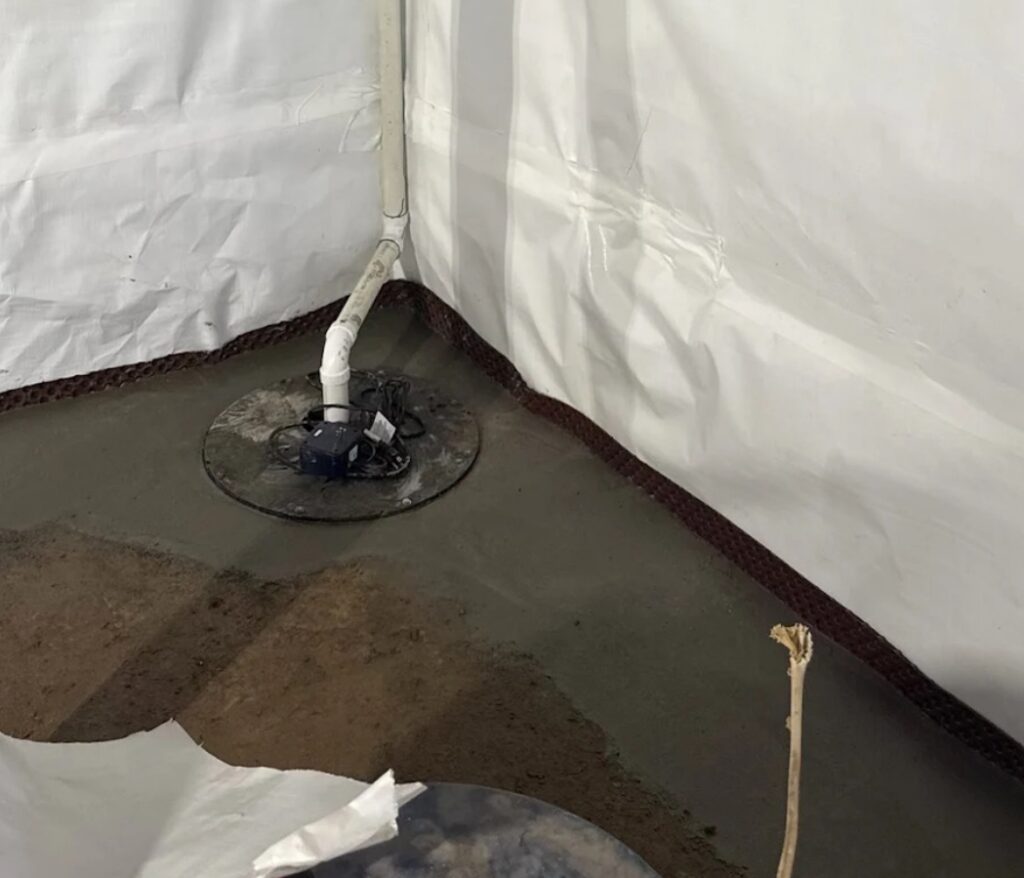
If you live in Missouri, you know the weather doesn’t like to make up its mind. We deal with massive spring rains and rapid freeze-thaw cycles that put incredible stress on our homes. It’s stressful when you see water where it shouldn’t be, and even a little bit of moisture in the basement can trigger mold growth or signal a deeper structural failure.
You don’t need panic; you need a plan. Protecting your home starts with understanding how our local environment attacks your foundation and what you can actually do to stop it.
It isn’t just bad luck; it’s usually geography. Missouri has heavy clay soil. When we get those torrential rains, that clay absorbs water and swells up like a sponge. This creates hydrostatic pressure. Basically, the wet dirt pushes hard against your basement walls.
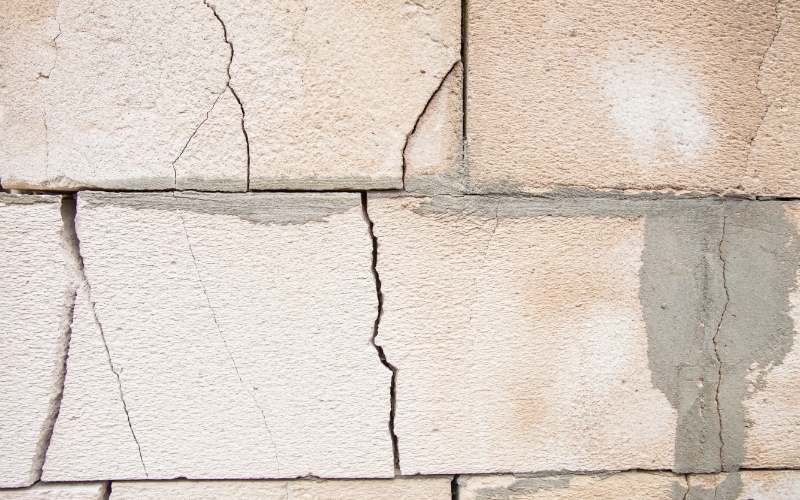
When the summer heat hits, that same soil shrinks and pulls away from the foundation. This constant push-and-pull movement opens up cracks. Water is lazy. It follows the path of least resistance. Once those cracks form, the next storm sends water right through the concrete and into your living space. Older homes in St. Louis or Kansas City are often working with outdated waterproofing that simply can’t handle this level of pressure anymore.
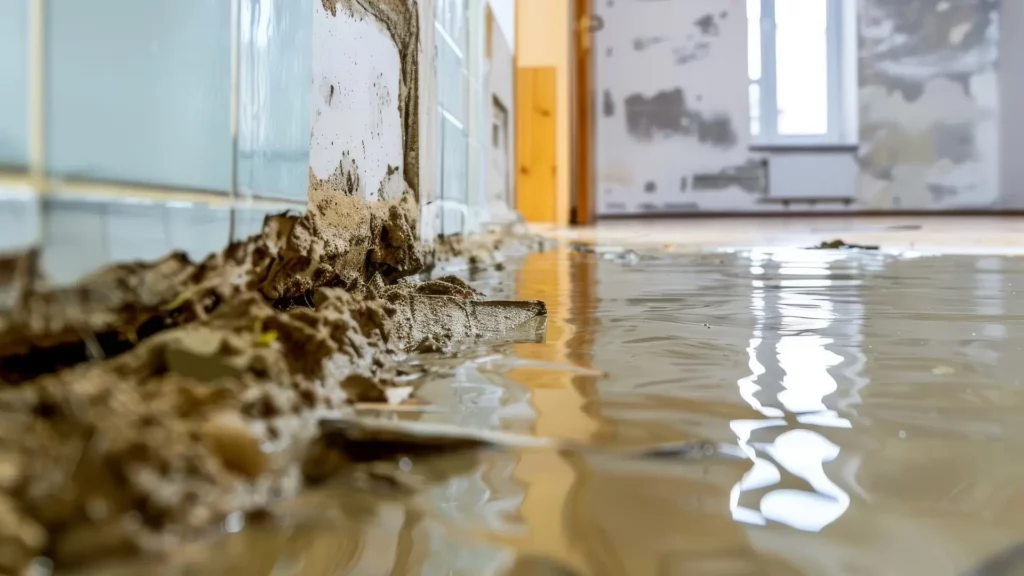
If you want a dry basement, you have to manage the water outside before it ever touches your walls. This is the step most people overlook. If your drainage is poor, you are essentially feeding rainwater directly into your foundation.
Start by looking at your yard grading. The dirt should slope visibly away from your house. If the ground is flat (or worse, sloping toward the brick) water will pool right at the base of the foundation. Your gutters matter just as much. If they are clogged or the downspouts are dumping water right at the corner of the house, you’re flooding your own basement. You need that water moving at least several feet away from the structure.
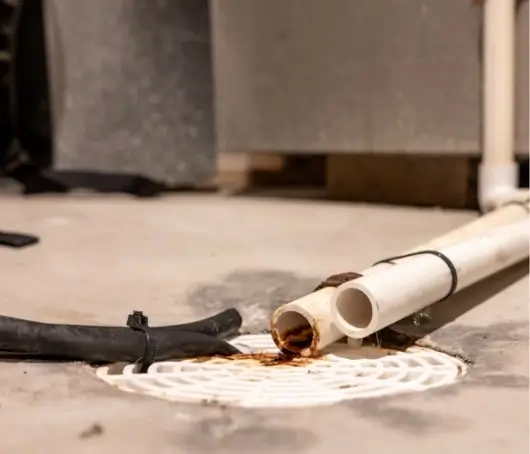
Sometimes, good landscaping isn’t enough to fight Missouri storms. You need a mechanical defense. Here are the basement waterproofing solutions we recommend to actually keep the water out:
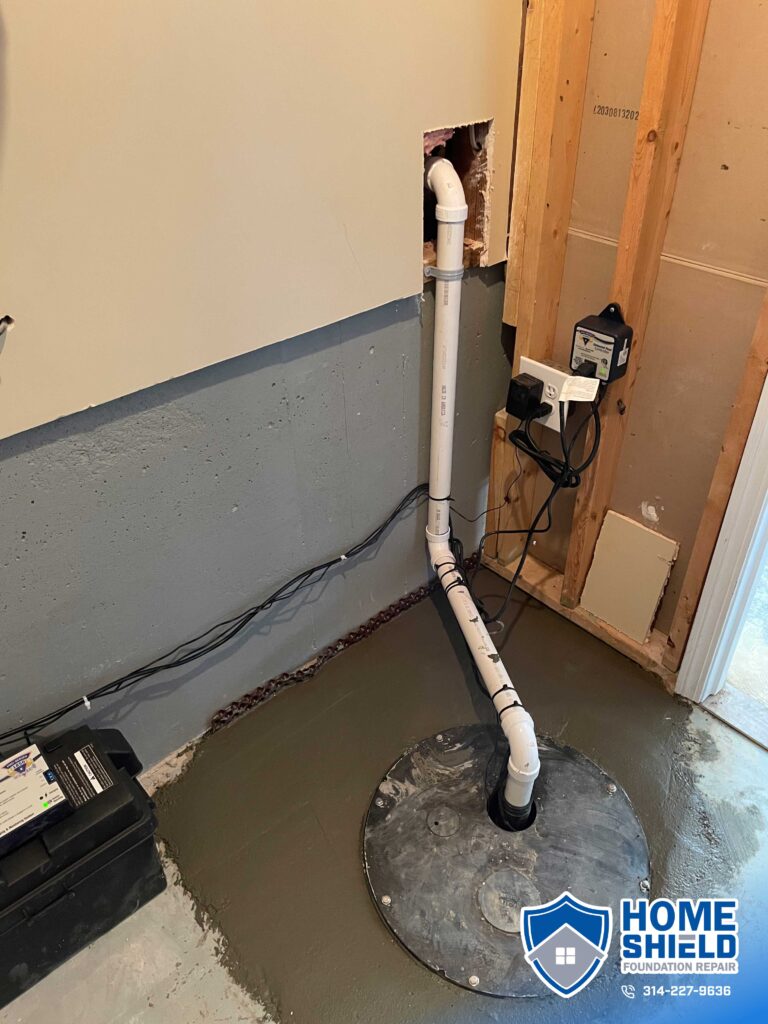
You can’t just install a system and forget it. A little attention goes a long way in preventing a disaster.
Water in the basement feels inevitable in our state, but it doesn’t have to be. You can break the cycle. By fixing your drainage and investing in the right waterproofing, you stop the damage before it starts. We believe in empowering homeowners to make the right choice, not just the expensive one. If you are worried about the next storm, let Home Shield Foundation Repair take a look.
Contact us today to schedule your basement waterproofing assessment and protect your Missouri home from costly water damage!
Look for musty odors, damp spots on walls or floors, peeling paint, or visible water stains. Early detection helps prevent bigger issues.
It’s best to inspect your basement, gutters, and drainage at least once each season, and especially after heavy rain or snowmelt.
While small fixes like sealing minor cracks can be DIY, professional waterproofing ensures long-term protection and addresses underlying issues.
Yes, a dry, protected basement is a strong selling point for Missouri homes and can help maintain or even increase your property value.