
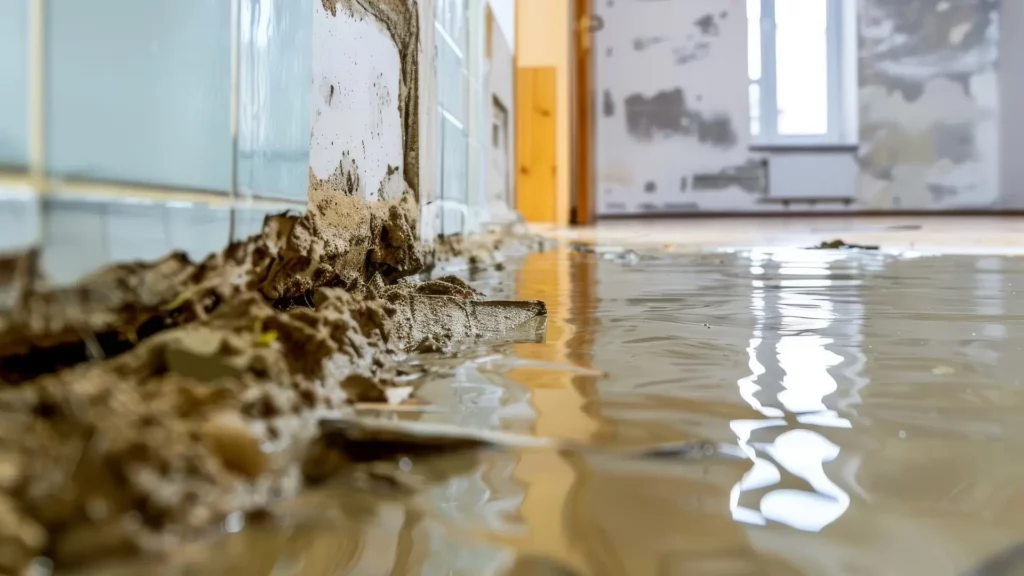
If you have lived in the St. Louis area for any length of time, you know our summer storms don’t mess around. When a system rolls through, it can drop inches of rain in under an hour, turning streets into rivers and putting serious pressure on your home’s foundation. For many homeowners across St. Charles, Jefferson, and St. Louis counties, the aftermath shows up in the basement.
The good news is that most storm-related basement damage is preventable when you know what to look for and take the right steps ahead of time. At Home Shield Foundation Repair, we help Missouri homeowners understand the risks and put the right protections in place before the next big storm hits.
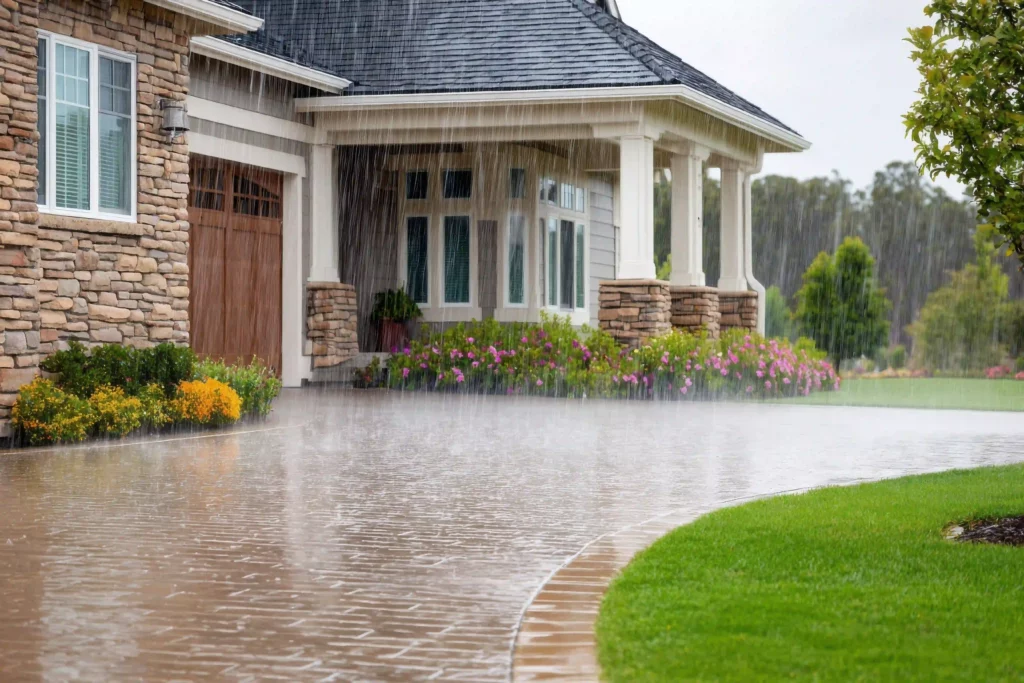
Summer in Missouri brings a specific combination of conditions that make basements especially vulnerable. Unlike spring rains that tend to be steady and spread out, summer thunderstorms are fast and intense. A single storm cell can overwhelm gutters, drainage systems, and the ground itself in a matter of minutes.
Our region’s clay-heavy soil makes things worse. When dry clay gets hit with a sudden downpour, it doesn’t absorb water quickly. Instead, water pools on the surface and pushes against foundation walls. Over time, repeated storms create hydrostatic pressure, which is one of the leading causes of basement leaks and wall cracks in the Greater St. Louis area.
Older homes in neighborhoods throughout Florissant, Ballwin, and South City are particularly at risk. Many were built before modern waterproofing standards existed, and their drainage systems may not be equipped to handle the volume of water that Missouri summers throw at them.
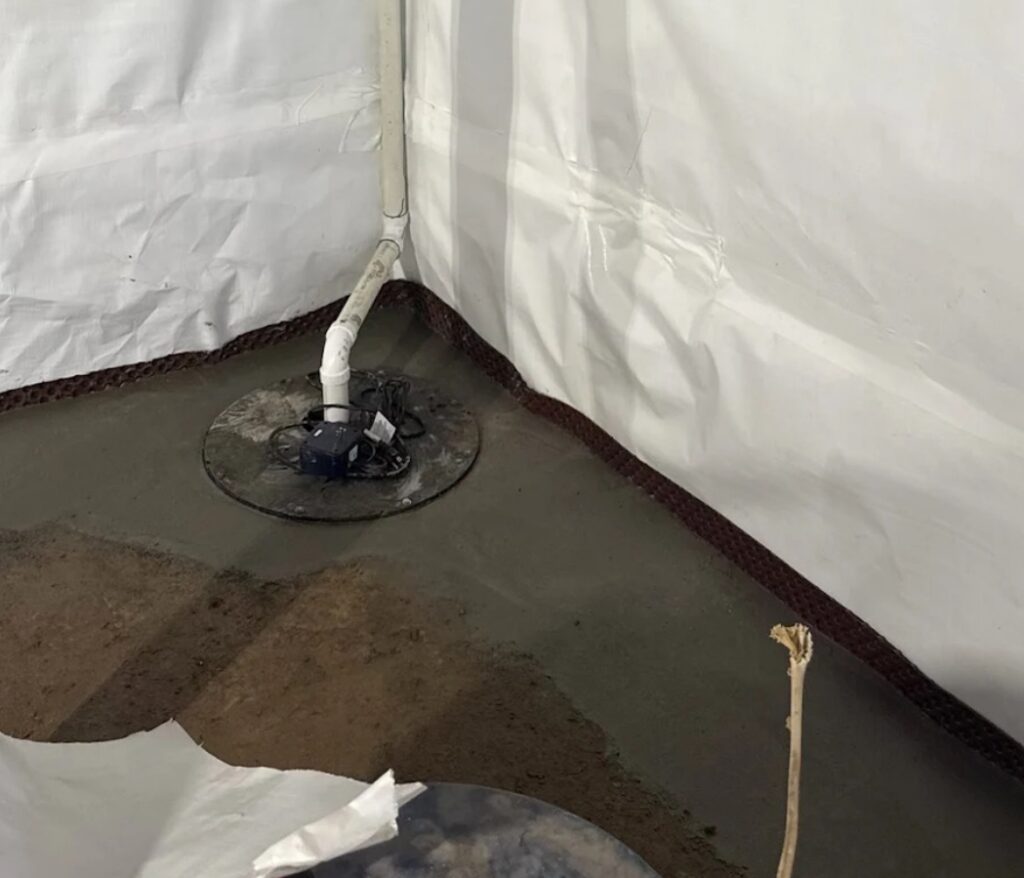
Not all basement damage looks the same. Here are some of the most common issues we see after heavy summer storms:
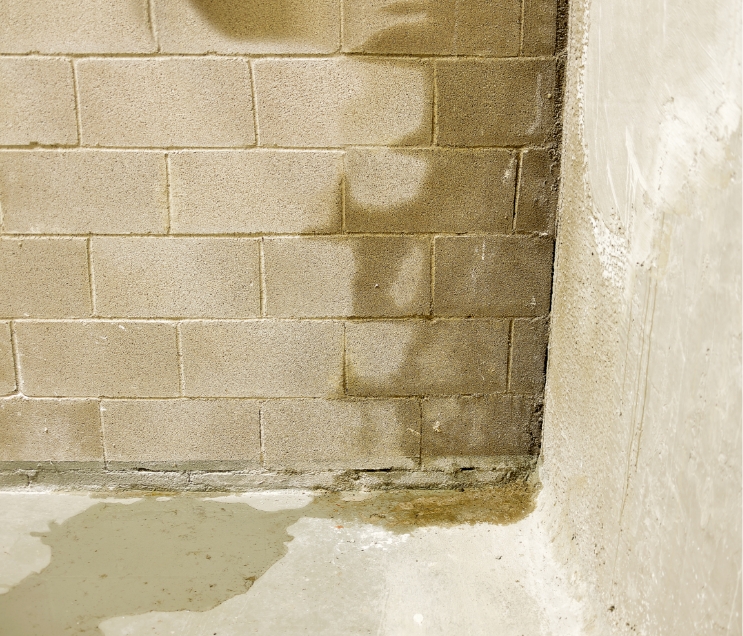
Sometimes the damage isn’t obvious right away. After a heavy storm, take a few minutes to check your basement for these warning signs:
If you notice any of these signs, it’s worth getting a professional assessment sooner rather than later. Small issues now can become expensive problems by the end of storm season.
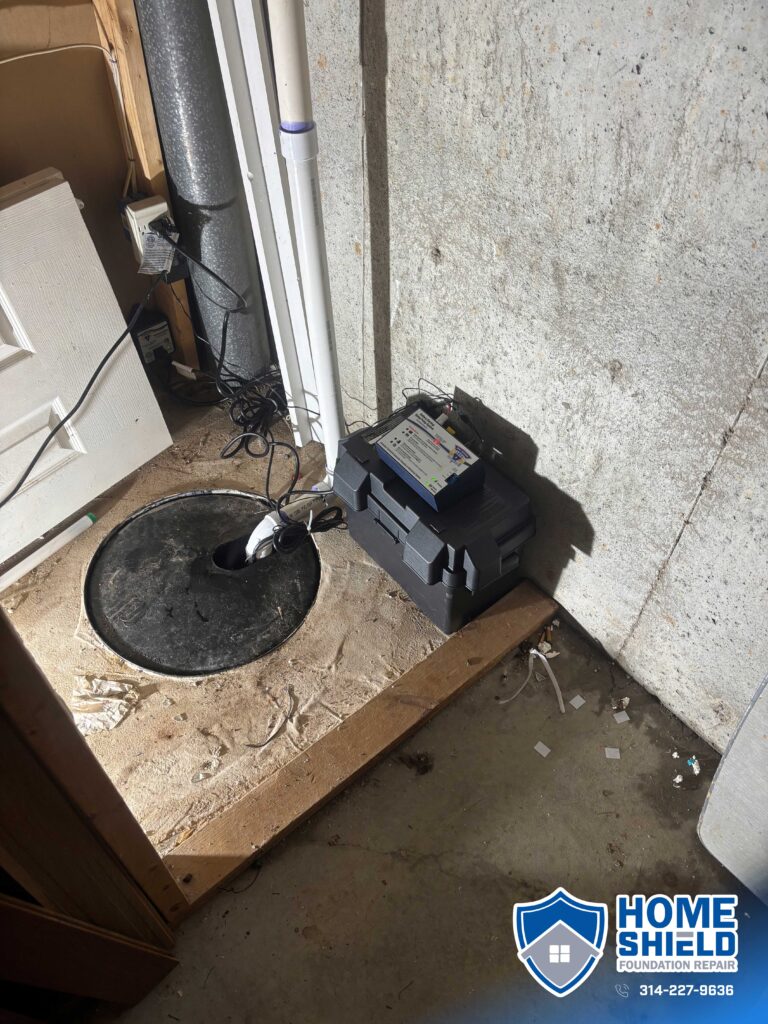
The best time to waterproof your basement is before you need it. Here are strategies that work for St. Louis homes:
Summer storms are a fact of life in Missouri, but a flooded basement doesn’t have to be. By understanding the risks, watching for early warning signs, and investing in the right waterproofing solutions, you can protect your home and your peace of mind through the entire season. If you are not sure where your basement stands, we are here to help.
Contact Home Shield Foundation Repair today to schedule a free basement waterproofing inspection and get ahead of the next storm.
As soon as possible. Standing water can cause mold growth within 24 to 48 hours, and the longer moisture sits, the more damage it does to your foundation, flooring, and belongings.
Standard policies often do not cover groundwater seepage or flooding from rain. Flood damage typically requires a separate policy. Check with your insurance provider to understand what is and isn’t covered.
A single storm usually won’t cause major structural damage on its own, but repeated exposure to water and pressure over multiple storm seasons can lead to cracks, bowing walls, and settling that require professional repair.
Yes. Many homeowners don’t realize they have a problem until damage has already occurred. Preventive waterproofing protects your home’s value and keeps repair costs low over time.
Interior systems manage water that has already entered, directing it away from your living space. Exterior waterproofing prevents water from reaching your foundation walls in the first place. The right approach depends on your home’s specific conditions.