
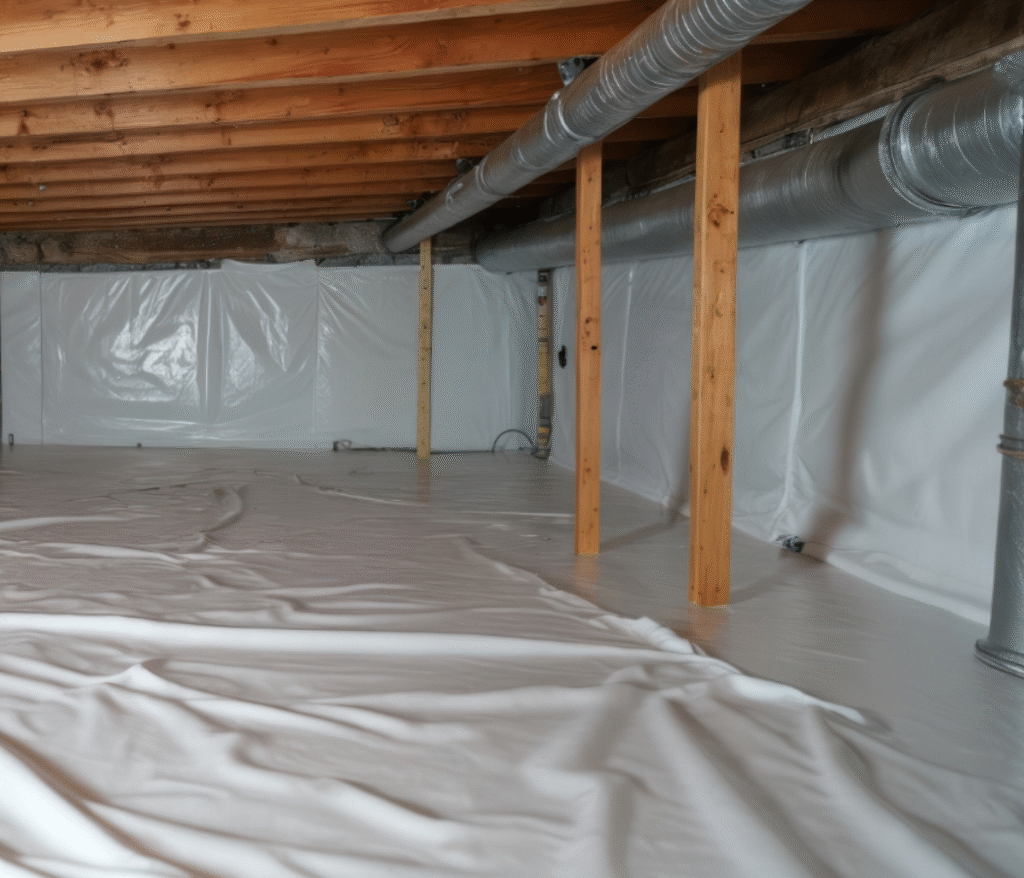
If your crawl space feels damp, smells musty, or collects moisture after periods of rain, you may have started researching ways to keep it dry. Two terms you are likely to encounter are crawl space vapor barrier and crawl space encapsulation.
They are related, but they are not the same thing.
A vapor barrier primarily addresses moisture rising from exposed soil beneath your home. Crawl space encapsulation takes a more comprehensive approach by controlling moisture from the ground, walls, outside air, and, when necessary, groundwater.
For homeowners throughout St. Louis, St. Charles, Warren, and Lincoln Counties, understanding the difference can help you make a better decision about how to protect the space beneath your home.
Let’s look at how each approach works, what problems they address, and when a more complete crawl space repair solution may make sense.
Crawl spaces are easy to forget about because most homeowners rarely enter them. Unfortunately, being out of sight does not prevent moisture underneath your home from creating problems.
A damp crawl space can contribute to:
Missouri homes face an additional challenge because moisture conditions can change dramatically throughout the year.
Periods of heavy rainfall can saturate soil around a foundation. Hot, humid summers can introduce moist outdoor air into vented crawl spaces. During drier periods, soil conditions can change again.
The result is a space that may repeatedly cycle between damp and dry conditions.
The goal of crawl space moisture control is to create a more stable environment beneath the home.
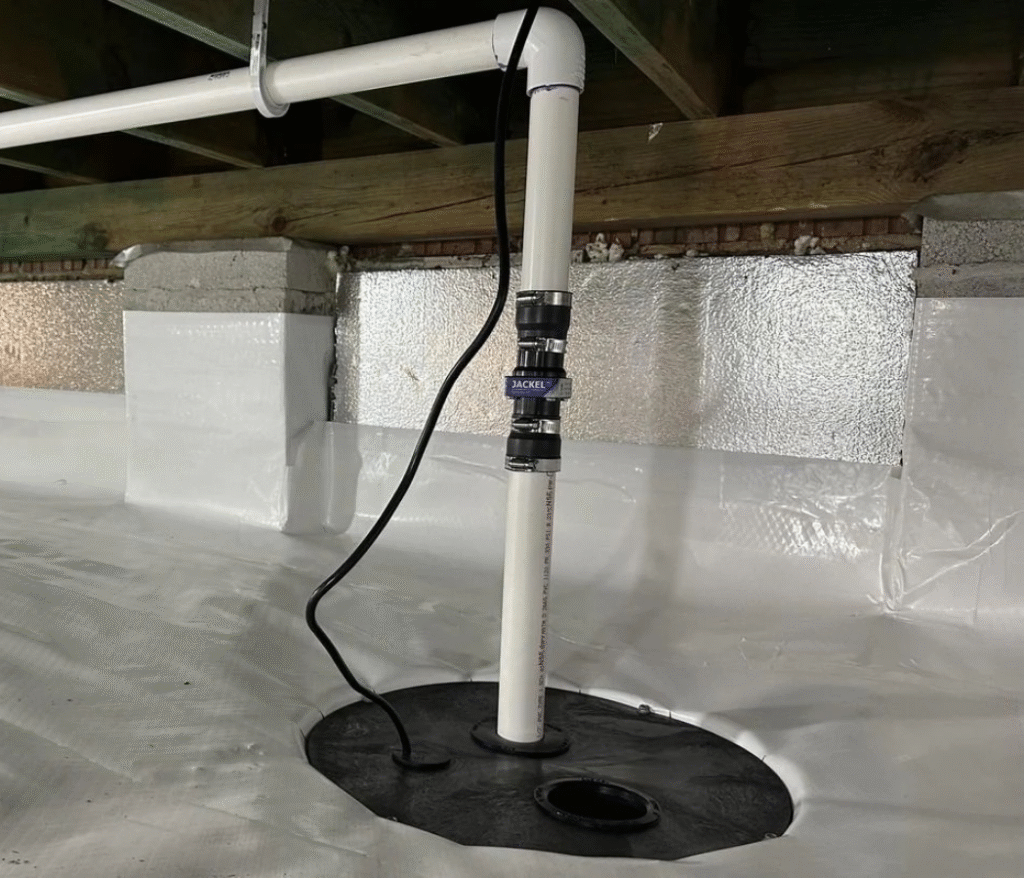
A crawl space vapor barrier is a moisture-resistant material installed over the exposed soil beneath a home.
Bare soil continually releases moisture vapor. Even if there is no standing water in your crawl space, moisture from the ground can move upward into the air beneath your home.
A vapor barrier creates a physical layer between that soil and the crawl space.
Instead of leaving the dirt floor exposed, the material covers the ground and reduces the amount of moisture vapor entering the space.
A properly installed vapor barrier can help:
For some crawl spaces with relatively minor moisture concerns, a vapor barrier may provide an important level of protection.
The key is understanding that it only addresses part of the moisture equation.
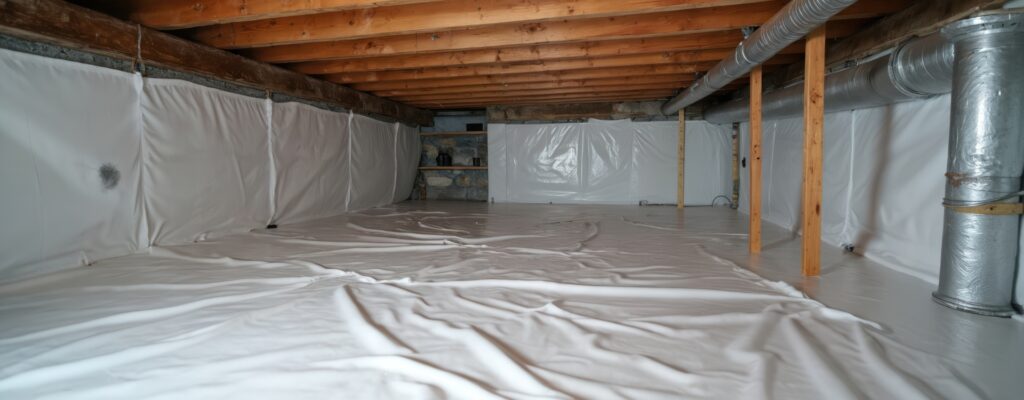
Crawl space encapsulation is a more comprehensive moisture-control system.
Instead of simply covering the soil, encapsulation is designed to separate the crawl space from the damp ground and outside environment as completely as practical.
Depending on the conditions beneath the home, an encapsulation project may include:
The exact system should depend on what is actually causing the crawl space problem.
A home experiencing groundwater intrusion needs a different approach than a home that simply has excessive moisture vapor rising from an exposed dirt floor.
That is why inspection comes first.
Learn more about Home Shield’s crawl space repair and encapsulation services.
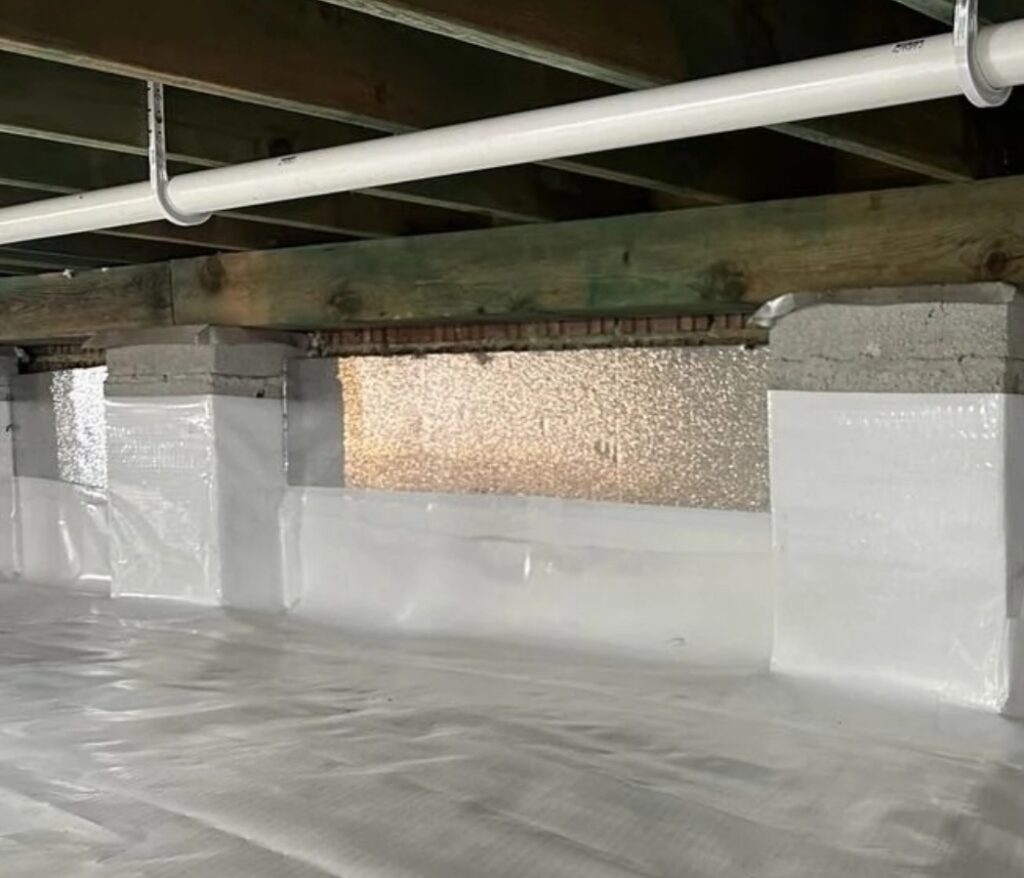
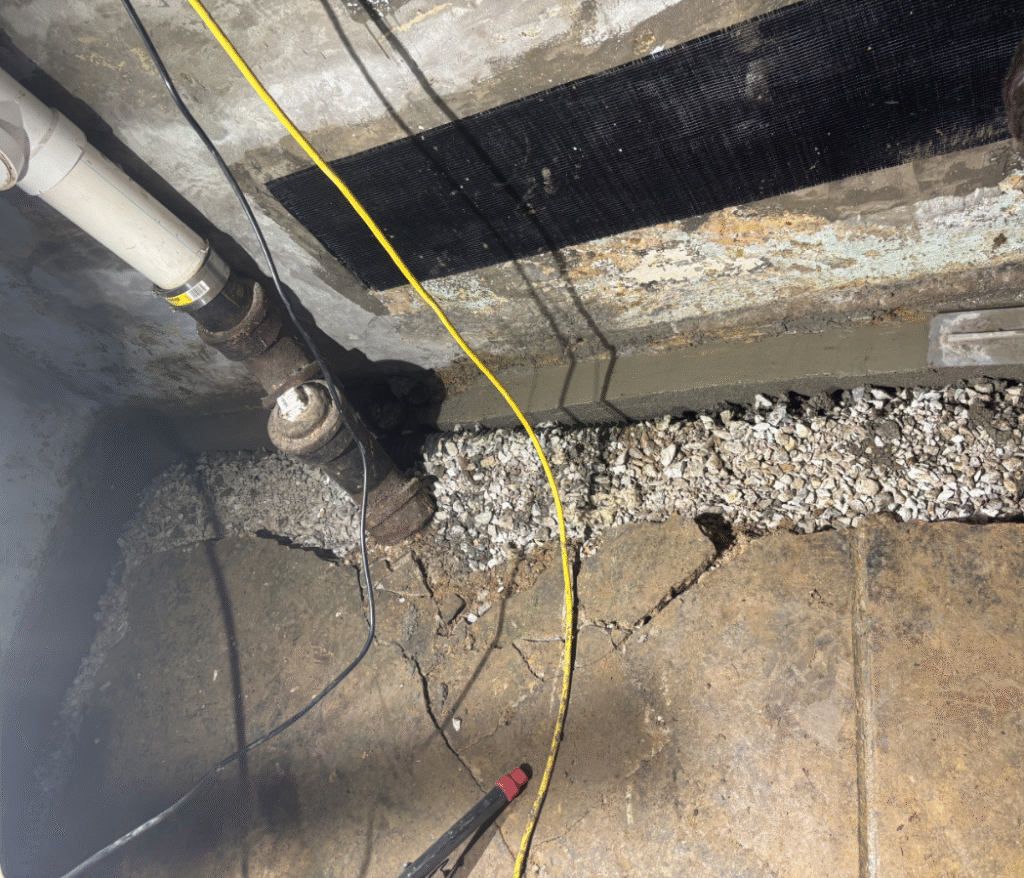
The simplest way to think about the difference is this:
A vapor barrier is a component. Encapsulation is a system.
A basic vapor barrier concentrates on moisture coming through the ground.
Encapsulation looks at the entire crawl space.
That can include moisture entering from:
For example, installing plastic over the crawl space floor will not solve standing water caused by groundwater.
Likewise, a sump pump may remove liquid water but will not necessarily control moisture vapor rising through the remaining exposed soil.
A comprehensive system addresses the actual sources of moisture instead of relying on one product to solve every problem.
Your crawl space may not be a part of your home you visit often, but problems beneath the floor can eventually become problems you notice throughout the house.
The important question is not simply whether you need a vapor barrier or encapsulation. It is why moisture is entering the crawl space in the first place.
Home Shield Foundation Repair helps homeowners throughout St. Louis County, St. Charles County, Warren County, Lincoln County, and surrounding communities identify the source of crawl space moisture and build a repair plan around the home’s actual needs.
If you’ve noticed standing water, musty odors, damaged insulation, or uneven floors, schedule a free inspection with Home Shield Foundation Repair and find out what is happening beneath your home.
No. A vapor barrier primarily covers exposed soil to reduce ground moisture. Encapsulation is a more comprehensive system that may seal the floor, walls, vents, seams, and other openings while incorporating drainage, a sump pump, or additional moisture-control measures.
No. The right solution depends on the conditions beneath the home. Some crawl spaces may only need improved drainage or a properly installed vapor barrier. Others have multiple moisture sources that make full encapsulation a better option.
The water problem should be addressed as part of the project. If groundwater is entering the crawl space, drainage and sump pump installation may be necessary before or alongside encapsulation.
Common warning signs include musty odors, condensation, wet insulation, standing water, visible mold or mildew, deteriorating wood, rust, and persistently damp soil.
Long-term moisture can contribute to deterioration of wooden structural components beneath the home. Settlement or inadequate supports can also cause floors to sag. An inspection can determine whether the problem is moisture-related, structural, or both.
Encapsulation can help when odors are related to excessive ground moisture or humidity because the system addresses the conditions allowing that moisture to enter the crawl space. Existing contamination or damaged materials may also need to be addressed.
Not every crawl space does. A sump pump is most useful when groundwater, standing water, or an interior drainage system needs a reliable way to remove collected water from beneath the home.
The lifespan depends on the material, installation quality, crawl space conditions, and whether the barrier is regularly disturbed. Heavy-duty materials installed as part of a complete system generally provide better long-term protection than thin, loosely installed plastic.