
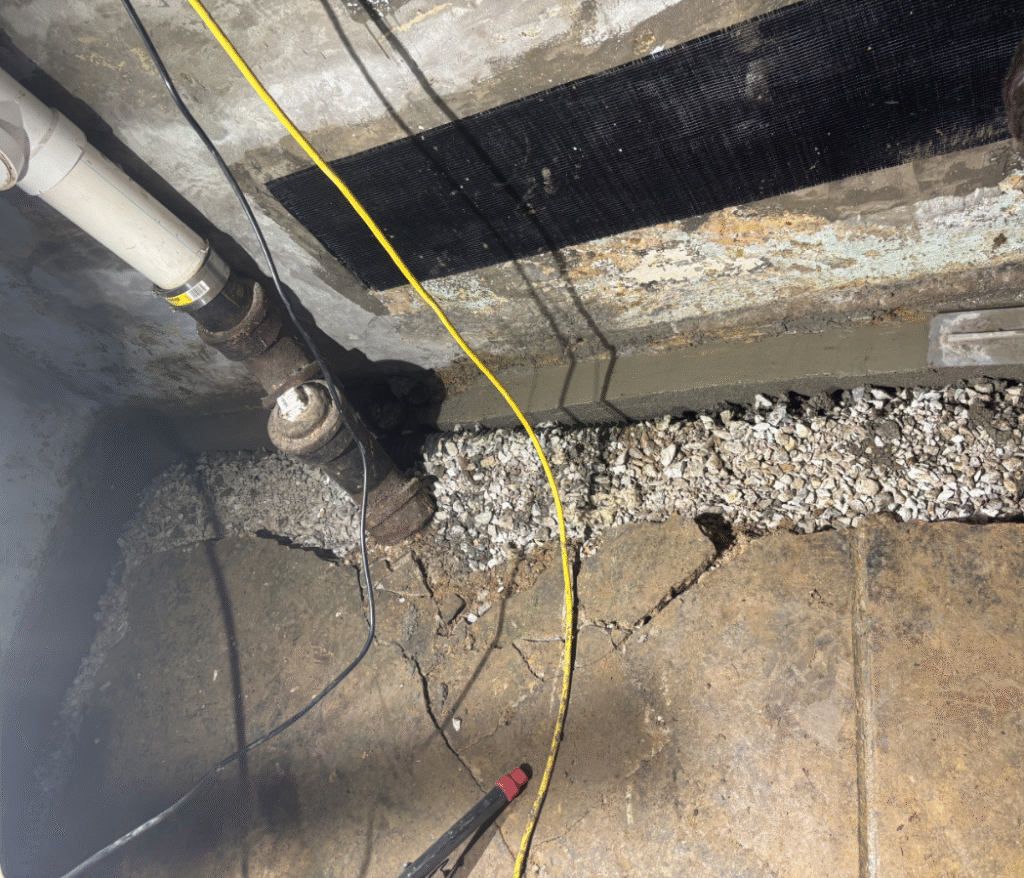
Out of sight, out of mind. That is how most homeowners think about their crawl space, and it makes sense. It is not exactly a place you visit regularly. But here in Missouri, what is happening beneath your home matters more than you might realize, especially as summer approaches.
Missouri summers bring heat and humidity that can wreak havoc on an unprotected crawl space. If there are existing issues down there, the moisture and warmth of June through September will only make them worse. At Home Shield Foundation Repair, we help homeowners across the Greater St. Louis area identify crawl space problems early and put solutions in place before the damage escalates.
Missouri’s summer humidity is relentless. Average relative humidity in the St. Louis area regularly sits above 70 percent during the warmest months, and that moisture doesn’t stay outside. Warm, humid air enters your crawl space through vents, gaps, and openings in the foundation, and once it gets in, it tends to stay.
When that humid air meets the cooler surfaces inside your crawl space, condensation forms on floor joists, subflooring, ductwork, and pipes. Over time, that consistent moisture leads to wood rot, mold growth, and deterioration of structural components. It is a slow process, but it compounds every summer.
The problem is made worse by Missouri’s clay soil, which holds moisture and releases it gradually. Even without rain, the ground beneath your home can push humidity upward into the crawl space. Without proper barriers in place, your crawl space essentially becomes a humidity trap from late May through September.
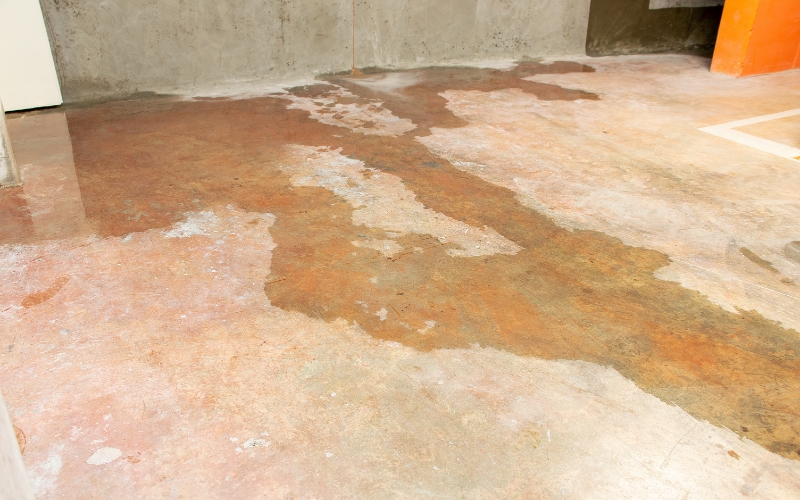
Most crawl space problems announce themselves inside your home long before you ever look beneath it. Here are the signs to watch for:
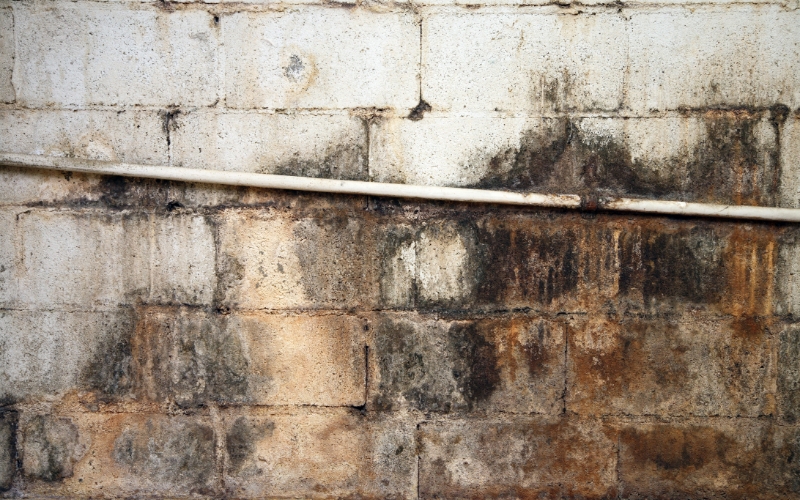
It is tempting to put off crawl space repairs, especially when you cannot see the damage. But ignoring the problem doesn’t make it go away. It makes it more expensive to fix later.
Persistent moisture in the crawl space leads to wood rot in your floor joists and subflooring. Once structural wood begins to deteriorate, floors sag, and the integrity of your home’s framing is compromised. Repairs at that stage are significantly more involved than early intervention would have been.
Mold growth is another serious consequence. If mold is growing in your crawl space, your family is breathing it in every day. For households in areas like Wildwood, O’Fallon, and South County where older homes with vented crawl spaces are common, this is a real and present concern.
There is also the energy cost. A humid crawl space makes your HVAC system work harder to maintain comfortable temperatures. Many homeowners notice a drop in their energy bills after crawl space repairs are completed, simply because their system is no longer fighting excess moisture.
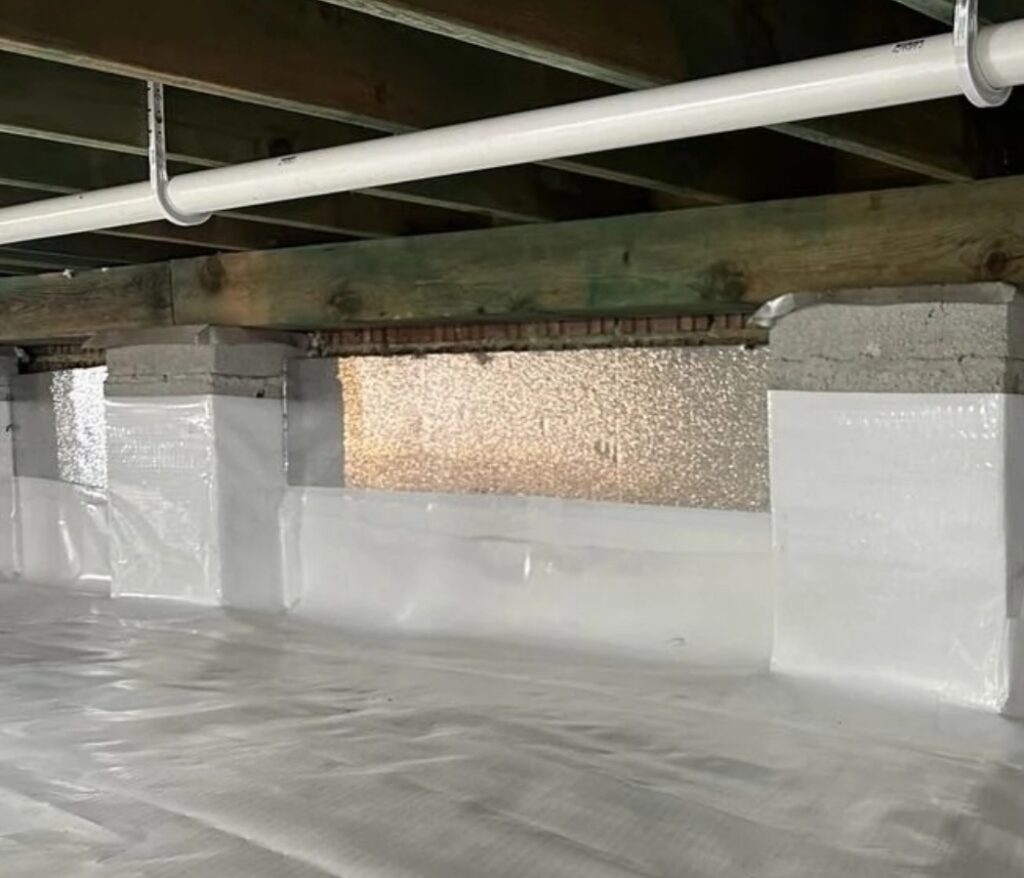
The good news is that crawl space problems are fixable. Here is what works for Missouri homes:
The right combination of solutions depends on your home’s specific conditions. A professional inspection will identify exactly what is needed and what isn’t.
Summer humidity in Missouri is not going anywhere, but the damage it causes to unprotected crawl spaces is entirely preventable. If you have noticed any warning signs in your home, now is the time to act, before the hottest and most humid months make things worse. A healthy crawl space means a healthier, more comfortable, and more efficient home.
Contact Home Shield Foundation Repair today to schedule a free crawl space inspection.
At minimum, once a year. If your home has a vented crawl space or you have had moisture issues in the past, inspecting before and after summer is a good practice.
For most Missouri homes, yes. Encapsulation eliminates the cause of moisture problems, protects your structure, improves air quality, and can reduce energy costs. It is a long-term investment that pays for itself over time.
Most projects are completed within one to two days, depending on the size of the space and the scope of work. Encapsulation with drainage or structural repairs may take slightly longer.
Absolutely. Air naturally rises from lower levels of your home into the upper floors. If your crawl space has mold, moisture, or pest activity, those contaminants are entering your living space daily.