
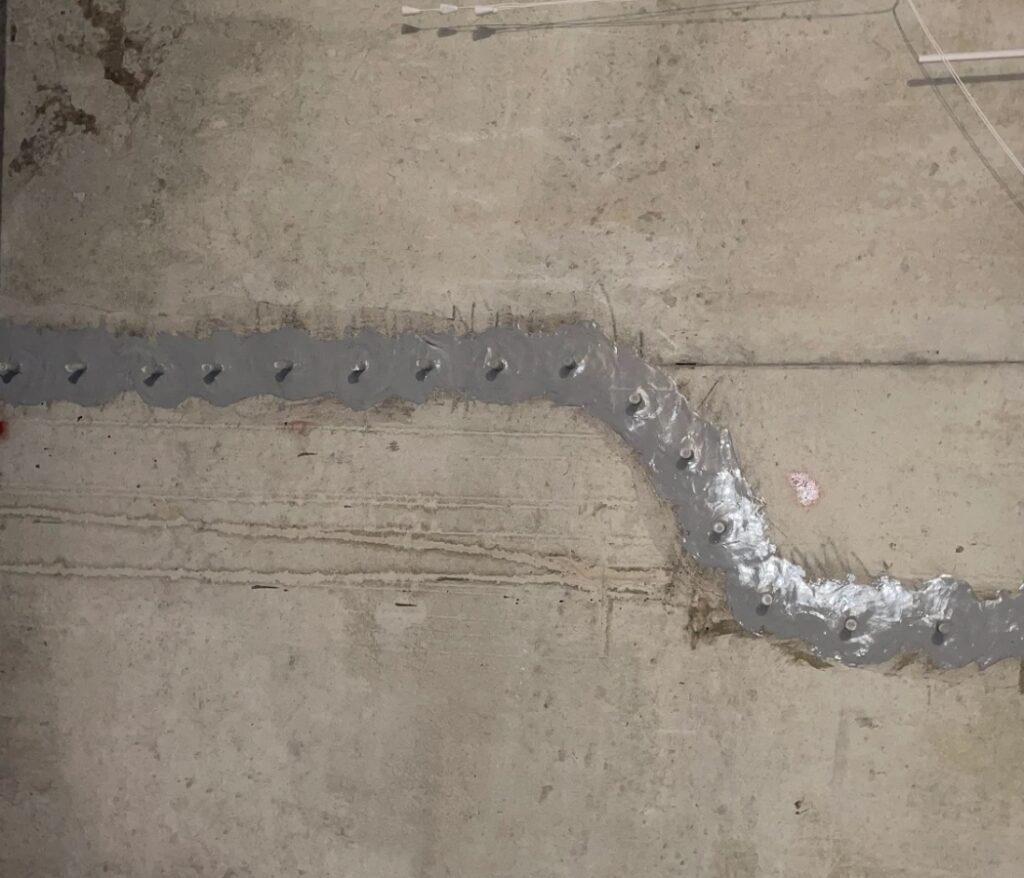
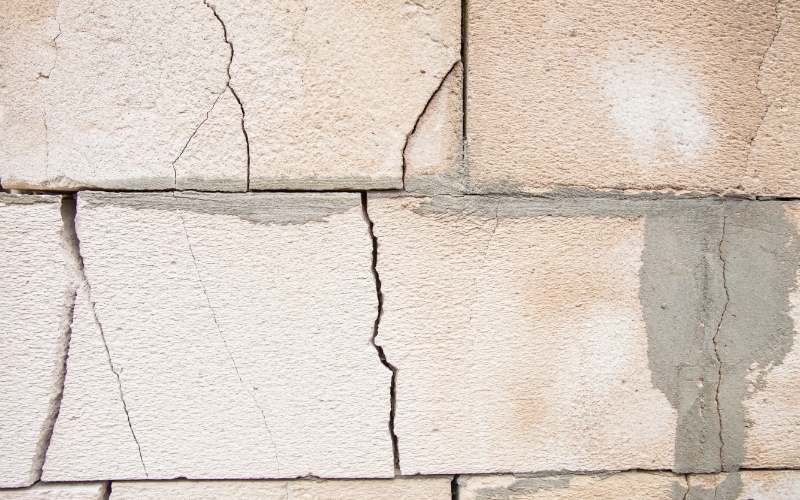
If you’ve noticed cracks spreading from your window frames, doors that have started sticking, or floors that don’t quite sit level anymore, you’re probably dreading the answer to one question: what’s this going to cost?
The honest answer is that foundation repair costs vary a lot, and the ranges you’ll see online aren’t always useful without context. This guide breaks down what Missouri homeowners are actually paying, what drives costs up or down, and what to expect if you call Home Shield.
Most repairs fall into a few broad categories based on the type of work required:
These are real ranges, not worst-case estimates. But they also reinforce the same point: the sooner a problem is caught, the smaller that number tends to be.
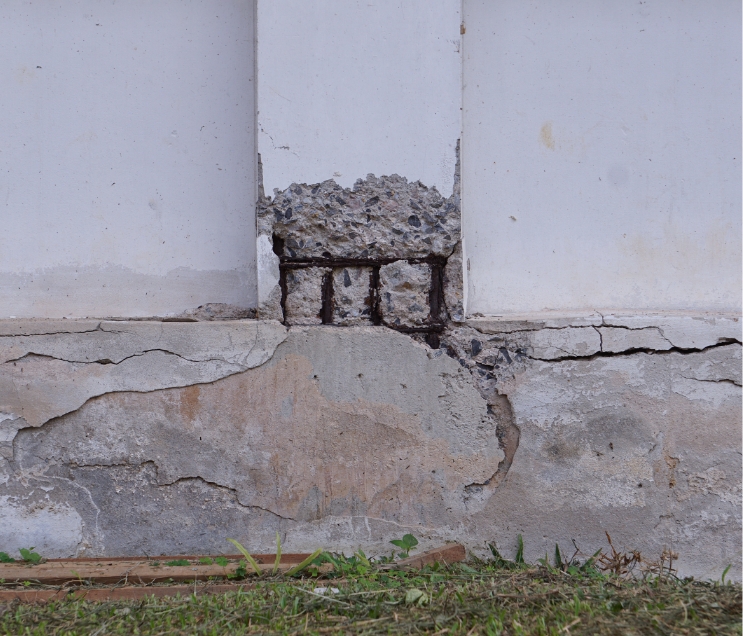
Two homes in the same neighborhood can have very different repair costs, even with similar-looking symptoms. A few factors explain why.
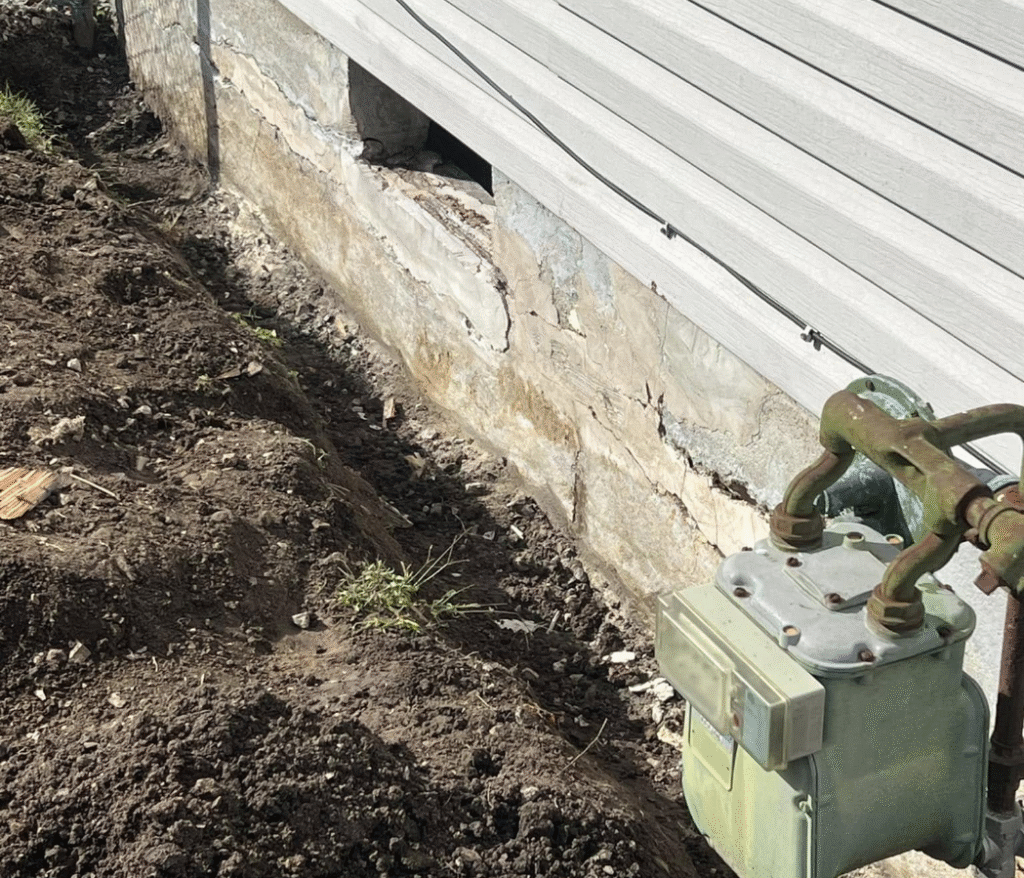
Foundation issues don’t stabilize on their own. The soil issues don’t change, and small cracks under stress tend to grow. What starts as a $1,500 crack repair can become a $15,000 piering job if the underlying movement goes unaddressed for another two or three seasons.
Beyond repair costs, there’s the resale question. Missouri buyers and their inspectors look closely at foundation conditions, and a documented foundation problem affects how a home is valued. An unrepaired one can stop a sale entirely.
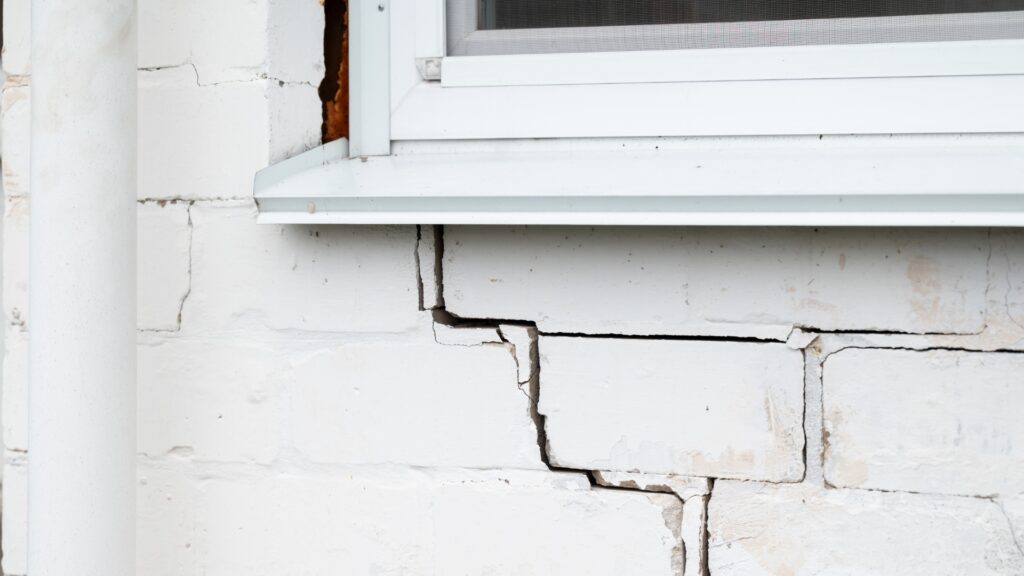
Home Shield Foundation Repair offers free inspections with no obligation. We’ll tell you what we found, what we recommend, and why we recommend it.
Our qualifying systems come with a lifetime warranty, and we’ll explain exactly what that covers before any work begins.
We don’t use inspections to sell work that isn’t needed. If you’ve had an estimate somewhere else that felt like a pitch, a second opinion costs you nothing.
Don’t delay foundation repair. Give us a call to schedule a free inspection.
In most cases, no. Standard homeowners policies typically exclude damage caused by soil movement, settling, or drainage problems, which covers the majority of foundation issues in Missouri.
There are exceptions worth knowing about, though. If the damage resulted from a sudden, covered event such as a plumbing leak that undermined the foundation, or, in some cases, storm-related soil erosion, your policy may cover part of the repair.
When in doubt, it’s worth filing a claim or at least asking your insurance agent to review the situation before assuming you’re on your own.
We offer flexible financing options designed to make repairs accessible without requiring you to pay everything upfront. Plans include low monthly payment options, long-term financing terms, and same-as-cash options for qualified borrowers. The application process is simple, and most homeowners find out quickly whether they qualify.
Ask about financing when you schedule your inspection and we’ll walk you through what’s available.
The first step is a free inspection. One of our technicians will assess the foundation, identify the cause of the problem, and explain what they found in plain language rather than hand you a report to decipher on your own. You’ll receive a written estimate before any decision is made.
If you decide to move forward, we’ll schedule the work and let you know what, if anything, needs to be prepared beforehand. Most repairs are completed within a few days depending on the scope. After completion, we walk you through the work and review the warranty documentation with you.
Our lifetime warranty covers the structural integrity of the installed system against the problem it was designed to fix. It’s transferable to a new owner if you sell the home, which is a meaningful selling point for buyers. Coverage applies to the repaired area and the components we install. We review the warranty terms in detail before any work begins so there are no surprises later.
For tiny, hairline cracks in poured concrete that are dry and not getting bigger, a store bought hydraulic cement patch or an epoxy injection kit can be a decent short-term fix. The key is that it is short-term. These products can seal the crack, but they do not fix whatever caused it.
If the crack is getting longer or wider, is wider than about 1/4 inch, is leaking water, or you notice other warning signs (like sticking doors or uneven floors), it is not a DIY repair. Patching a crack that is still moving can hide the real problem and make it harder for a pro to figure out what is going on.
When you are unsure, it is usually best to get an inspection before spending money on repair materials.