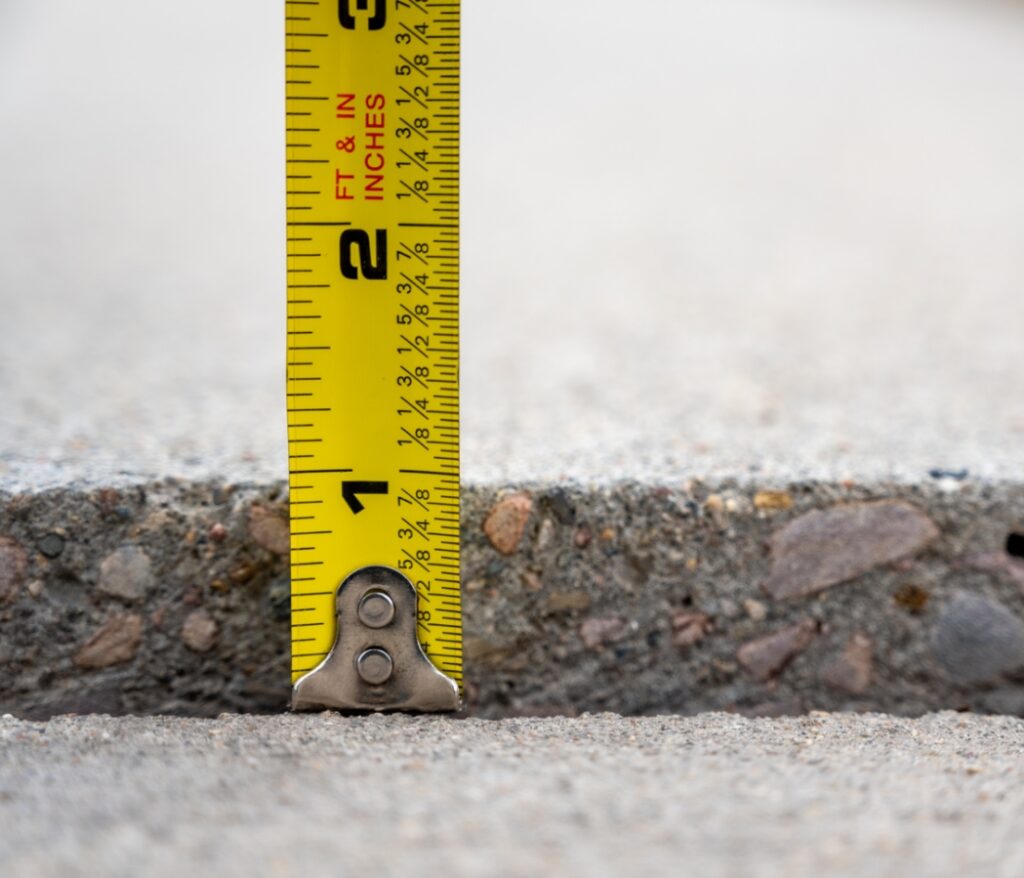
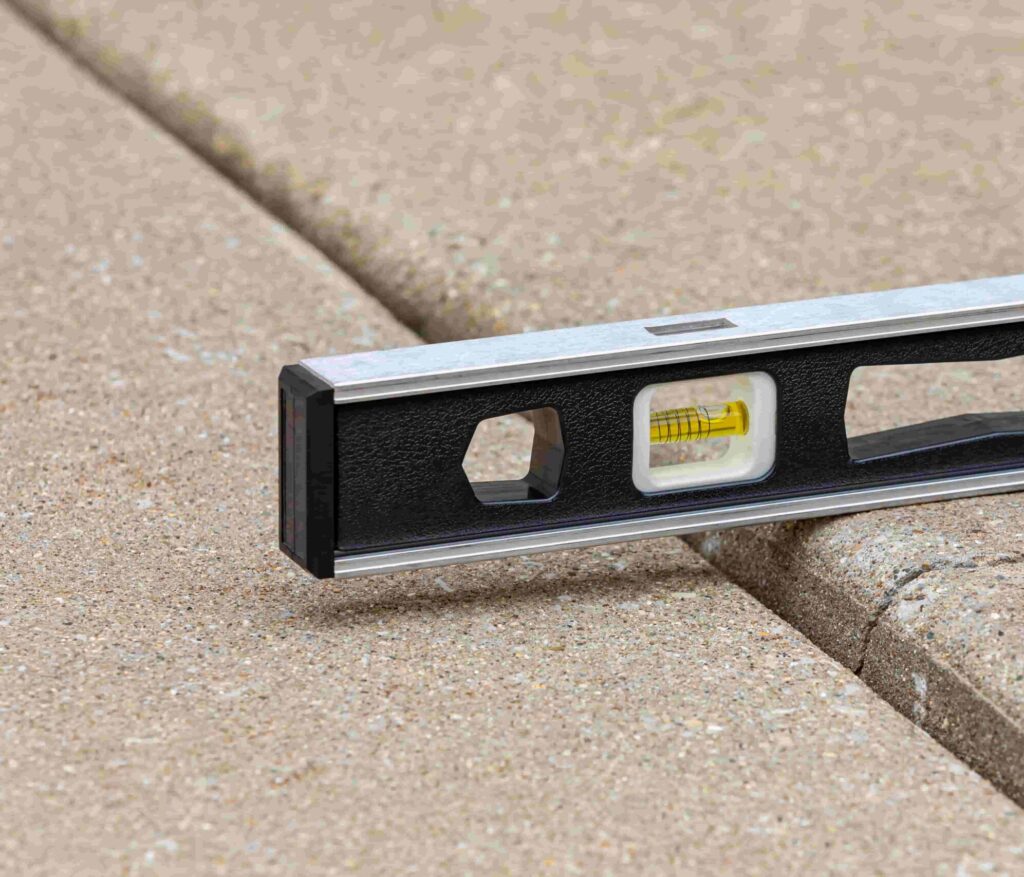
Now that summer is here and you are spending more time outside, you have probably noticed things you overlooked all winter. That uneven slab on your driveway. The sidewalk section that has sunk just enough to catch your toe. The patio that pools water every time you rinse it off. These aren’t just eyesores. They are trip hazards, liability risks, and problems that will only get worse with time.
The good news is that summer is actually the best time of year to fix uneven concrete. At Home Shield Foundation Repair, we help homeowners throughout the Greater St. Louis area lift and level settled concrete quickly and affordably.
Concrete slabs don’t sink on their own. Something beneath them has changed. Here are the most common reasons we see across St. Louis, St. Charles, and Jefferson counties:
There is a reason most concrete lifting gets done between May and September. The conditions during these months create the best possible environment for a lasting repair.
First, the soil is dry and stable. After the spring rains pass, Missouri’s ground conditions settle into a more predictable state. Dry soil means the base beneath your concrete is less likely to shift during or immediately after the lifting process. It also means the polyurethane foam used to raise your slab bonds and cures in optimal conditions.
Second, warm temperatures help materials perform at their best. Polyurethane foam cures faster and more completely in warm weather, which means your repaired concrete is ready for use sooner. In most cases, you can walk and drive on a lifted slab the same day.
Finally, there is no risk of freeze-thaw interference. Repairing concrete in fall or winter means the ground beneath it could still shift as temperatures fluctuate. Summer gives your repair the longest runway of stable conditions before cold weather returns.
Concrete settling can happen anywhere, but certain areas around your property are more vulnerable than others:
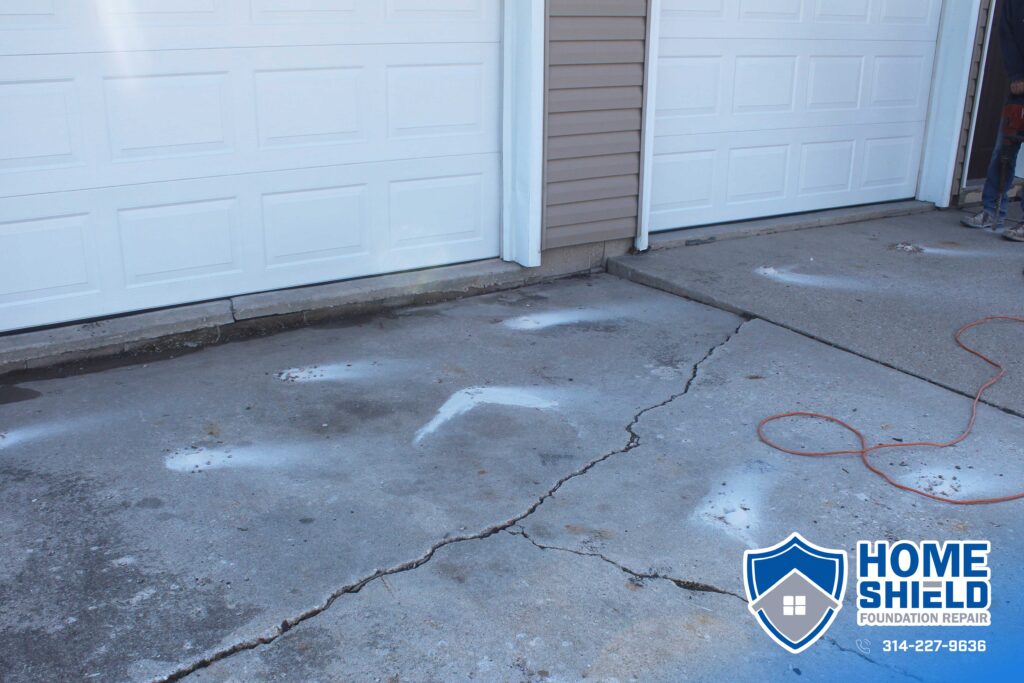
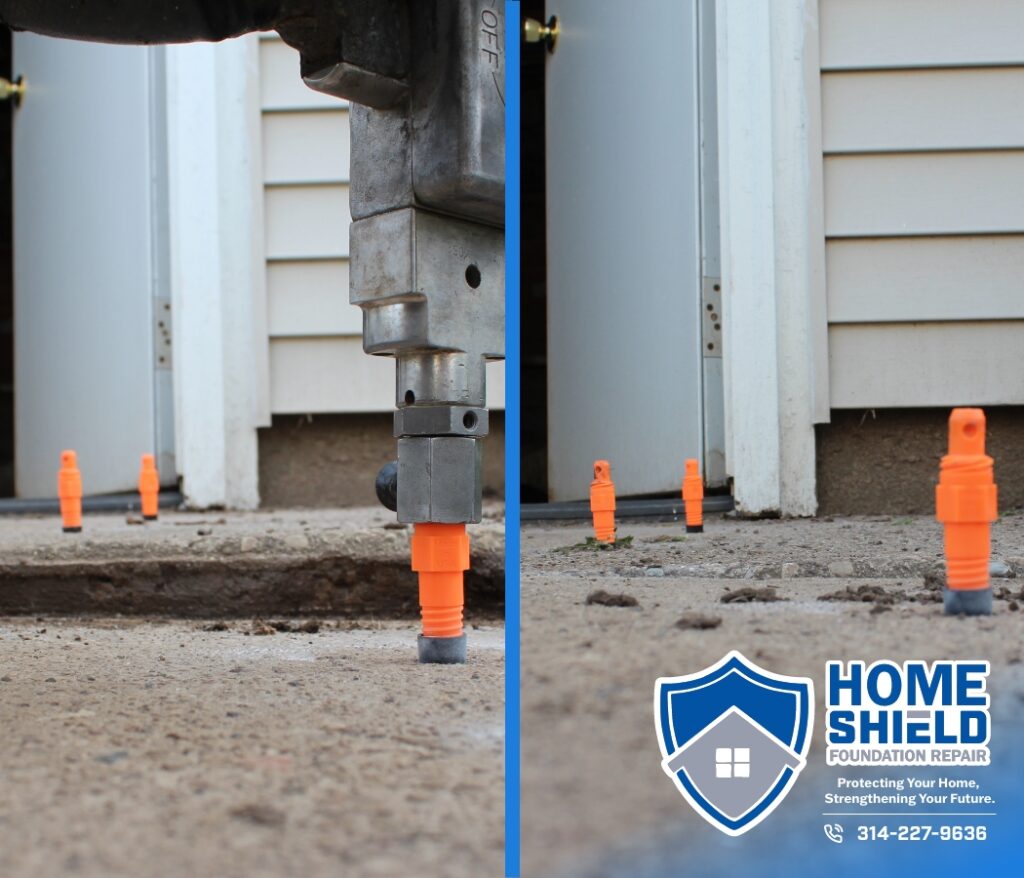
Concrete lifting, sometimes called slabjacking or foam jacking, is a straightforward process that delivers impressive results with minimal disruption to your property.
Our team starts by drilling small, penny-sized holes through the sunken concrete slab. Through those holes, we inject high-density polyurethane foam beneath the surface. As the foam expands, it fills any voids in the soil and gently raises the concrete back to its proper level. The process is precise, allowing us to control the lift down to fractions of an inch.
Once the slab is level, the injection holes are patched and sealed with color-matched material. The entire process typically takes a couple of hours, not days. There is no heavy excavation, no demolition, and no waiting weeks for new concrete to cure. Most homeowners across Chesterfield, Wentzville, and throughout the metro area are back to using their surfaces the same afternoon.
The polyurethane foam we use is lightweight, waterproof, and won’t break down over time. It provides a stable, long-lasting base that resists the soil movement and washout that caused the problem in the first place.
Uneven concrete isn’t going to level itself, and every season that passes gives the underlying problem more time to worsen. Summer gives you the best conditions, the fastest cure times, and the longest stretch of stable weather to ensure a lasting result. If you have been stepping over that sunken slab all year, now is the time to take care of it.
Contact Home Shield Foundation Repair today to schedule a free concrete lifting estimate and get your surfaces level before fall.
Most residential projects are completed in just a few hours. The foam cures quickly, and you can typically walk or drive on the surface the same day.
Yes, significantly. Concrete lifting usually costs a fraction of full replacement and avoids the demolition, disposal, and curing time that comes with pouring new concrete.
When done properly, concrete lifting provides a permanent fix. The polyurethane foam is waterproof and doesn’t degrade, so it maintains its support for the long term.
It works on most concrete slabs, including driveways, sidewalks, patios, garage floors, and pool decks. If the concrete itself is severely cracked or crumbling, replacement may be a better option, which we will tell you upfront.
The holes are small and are filled with a color-matched compound after the lift is complete. They are barely noticeable once the job is done.