
Bowing basement walls are one of the most serious warning signs a homeowner can face. What may start as a small horizontal crack or slight inward movement can quickly turn into major structural damage if left untreated.
In Missouri, especially throughout St. Louis, St. Charles, Warren, and Lincoln Counties, bowing walls are incredibly common because of the region’s expansive clay soil and frequent moisture changes. Heavy rains, hydrostatic pressure, and poor drainage all work together to push against your foundation walls year after year.
At Home Shield Foundation Repair, we help homeowners identify wall movement early and stabilize their foundations before the problem becomes dangerous or expensive.
In this guide, we’ll explain:
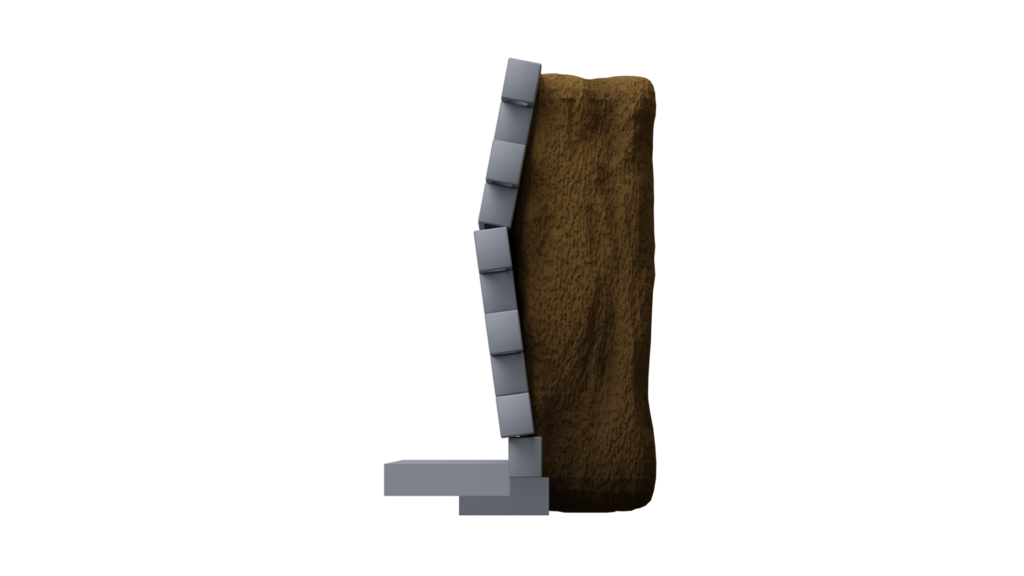
A bowing wall occurs when pressure from the outside soil becomes stronger than the wall’s ability to resist it. Over time, the wall begins to lean, curve, or push inward.
This pressure usually develops slowly, which is why many homeowners do not notice the issue until cracks begin forming or water starts entering the basement.
Common signs include:
Missouri’s clay-heavy soil expands dramatically when wet and shrinks during dry weather. This constant expansion and contraction places enormous stress on foundation walls.
After heavy rainfall, the saturated soil presses inward against basement walls, creating what is known as hydrostatic pressure.
Hydrostatic pressure occurs when water builds up in the soil surrounding your home. Since water cannot easily drain through clay soil, pressure increases around the foundation.
Over time, this force can:
Improper grading, clogged gutters, or short downspouts allow water to collect near your foundation. This worsens soil pressure and speeds up wall movement.
Homes in areas like O’Fallon, Wentzville, St. Peters, and Troy frequently experience these conditions during Missouri’s wet spring and summer seasons.

Not all cracks are equal.
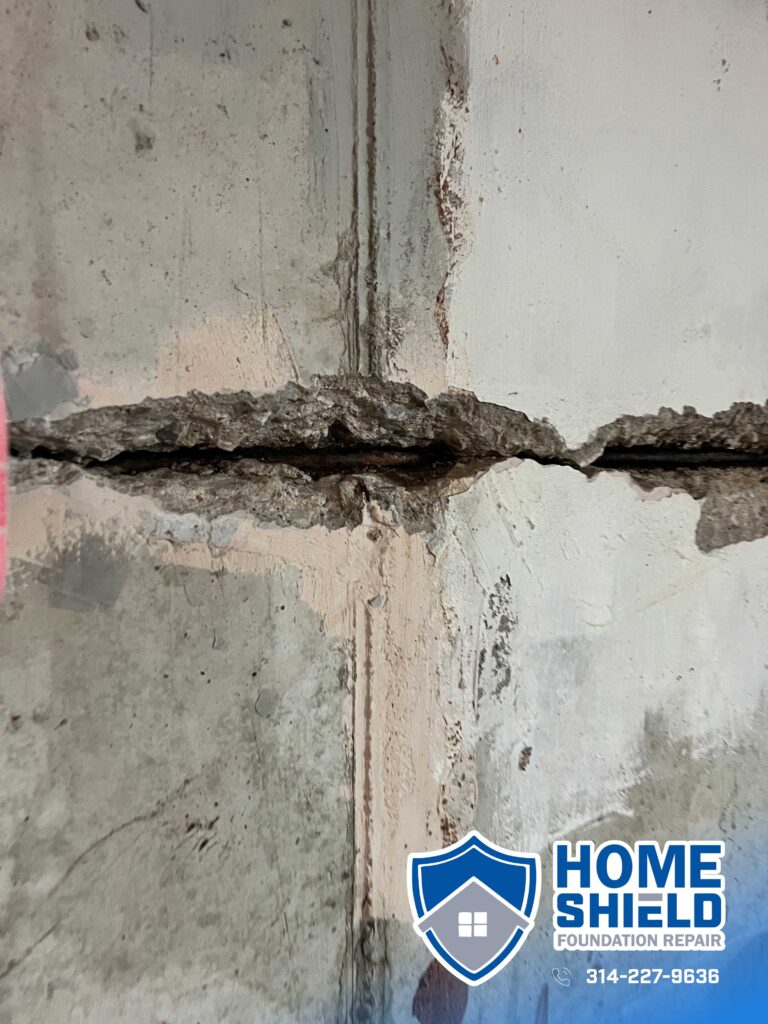
Hairline vertical cracks can sometimes occur naturally as concrete cures. Horizontal cracks, however, are often a sign that your basement walls are actively failing under pressure.
Horizontal cracking commonly means:
If ignored, the wall can continue shifting and may eventually collapse.
Foundation problems rarely improve on their own.
Waiting too long can lead to:
The earlier the issue is addressed, the easier and more affordable repairs typically are.

At Home Shield Foundation Repair, we use proven systems designed specifically for Missouri homes and soil conditions.
Our InvisiBeam system, formerly known as Fortress ICC, provides powerful reinforcement with a clean, low-profile appearance.
Benefits include:
Carbon fiber straps are ideal for walls showing early signs of movement. These high-strength materials bond directly to the wall to prevent further bowing.
For more advanced wall movement, wall anchors can gradually pull the wall back toward its original position over time.
In severe cases, steel beams provide immediate structural support and stop further inward movement.
Bowing walls are not just cosmetic. They are warning signs that your foundation is under pressure.
At Home Shield Foundation Repair, we help homeowners across St. Louis and surrounding counties stabilize their homes with trusted, long-lasting solutions.
If you’ve noticed cracks, leaning walls, or basement moisture, now is the time to act.
Schedule your free inspection and protect your home from the ground up.
Very serious. Bowing walls are often signs of structural stress and should be inspected as soon as possible.
Yes. In many cases, reinforcement systems like InvisiBeam, wall anchors, or carbon fiber can stabilize the wall without full replacement.
Horizontal cracks are usually caused by hydrostatic pressure from expanding soil and water buildup around the foundation.
Waterproofing helps reduce pressure around the home, but existing wall movement may still require reinforcement.
Professionally installed systems are designed for long-term performance and are often backed by lifetime warranties.