If you have noticed cracks in your walls, doors that won’t close properly, or floors that feel uneven, there is a good chance your home’s foundation is settling. It is a common problem for homeowners across the Greater St. Louis area, and it can feel overwhelming when you start researching solutions. One term you will come across quickly is “piering,” and while it might sound technical, the concept is actually pretty straightforward.
At Home Shield Foundation Repair, we want you to understand exactly what piering is, how it works, and why it is considered one of the most reliable, long-term solutions for foundation settlement.
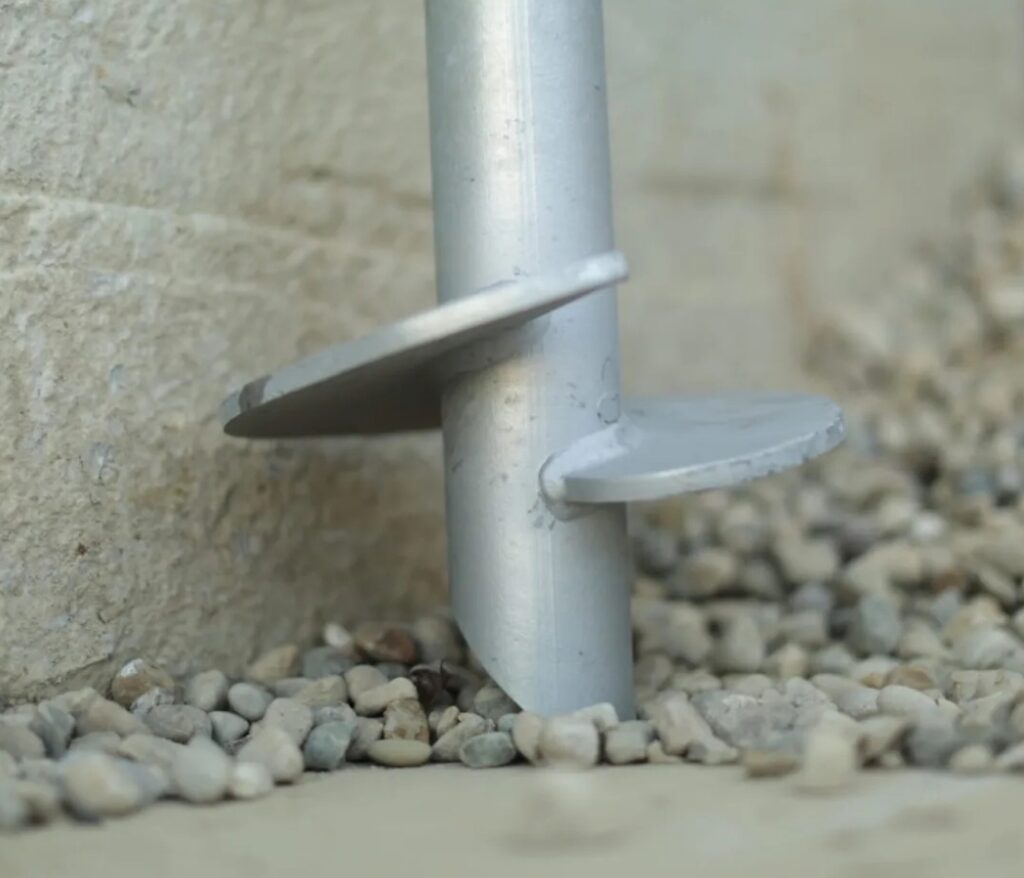
Foundation piering is a method of stabilizing and, in many cases, lifting a foundation that has settled due to unstable soil conditions. The basic idea is simple: steel piers are driven deep into the ground, past the weak or shifting soil, until they reach stable, load-bearing strata. Once anchored in solid ground, those piers support the weight of your home and prevent further settling.
Think of it like giving your foundation a new set of legs that reach down to bedrock or compacted soil that isn’t going to move. The piers transfer the load of your home away from the problematic surface soil and onto something solid and permanent.
This approach works especially well in the St. Louis region because our clay-heavy soil expands and contracts with moisture changes throughout the year. That constant movement is what causes many foundations to shift and settle over time. Piering bypasses the problem soil entirely, which is why it is considered a permanent fix rather than a temporary patch.
Not every foundation problem calls for the same solution. The type of pier used depends on your home’s specific conditions, the severity of the settling, and the soil composition beneath your property.
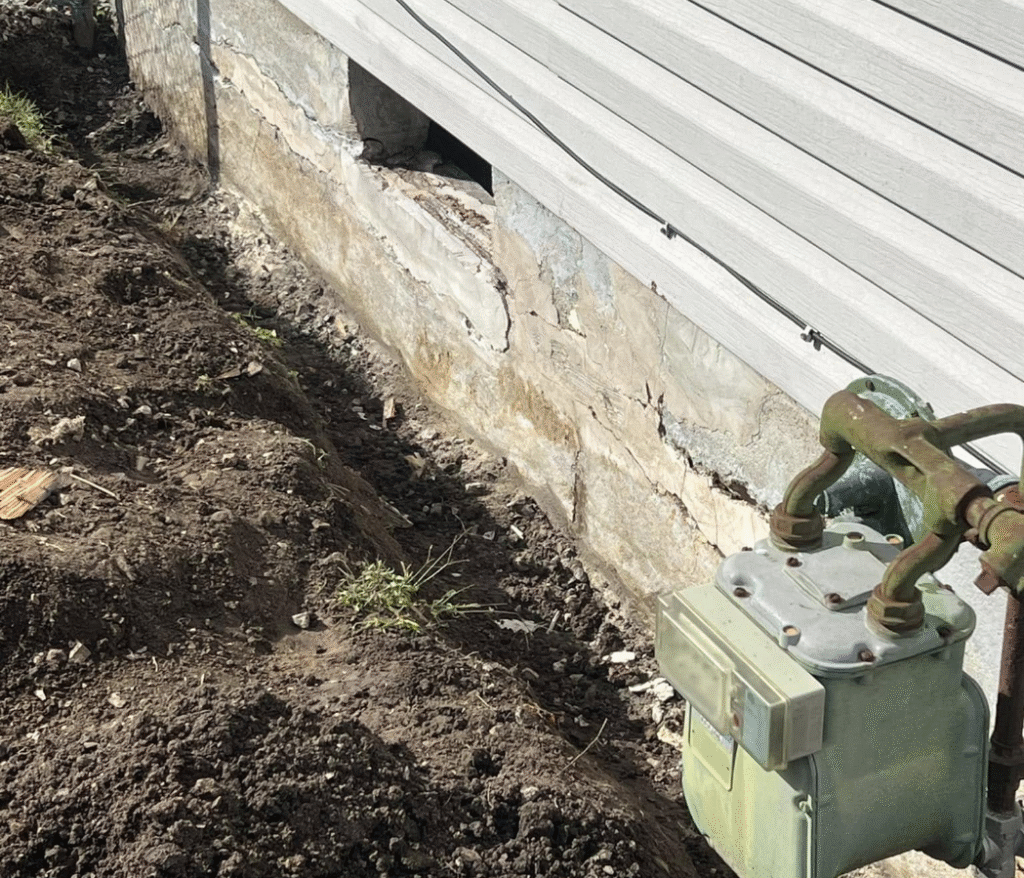
Foundation problems rarely appear overnight. They develop gradually, and the earlier you catch them, the less extensive the repair. Here are some of the most common signs that your home’s foundation may need piering:
If you are seeing one or more of these signs in your home, it does not necessarily mean the situation is dire, but it does mean you should get a professional inspection before things progress.
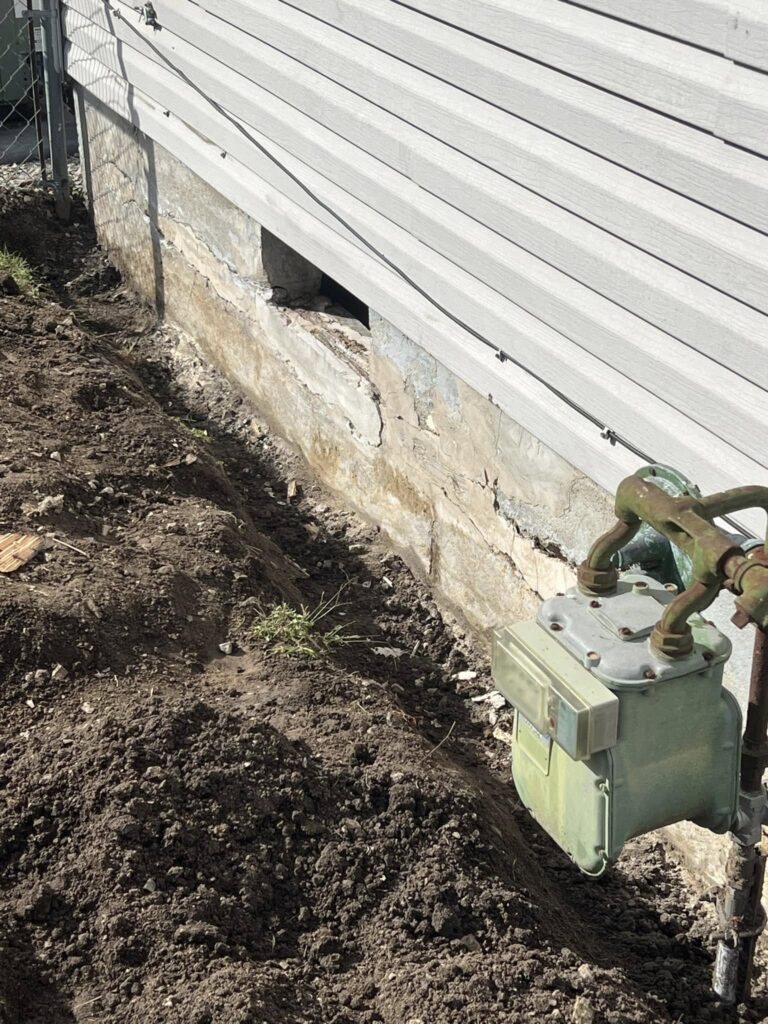
One of the most common concerns we hear from homeowners is that foundation repair will be disruptive and take forever. The reality is that piering is a surprisingly streamlined process.
It starts with a thorough inspection of your home and foundation. Our team evaluates the extent of the settling, identifies where piers need to be placed, and develops a plan tailored to your home’s specific needs. We explain everything we find and recommend, so you understand exactly what is happening and why.
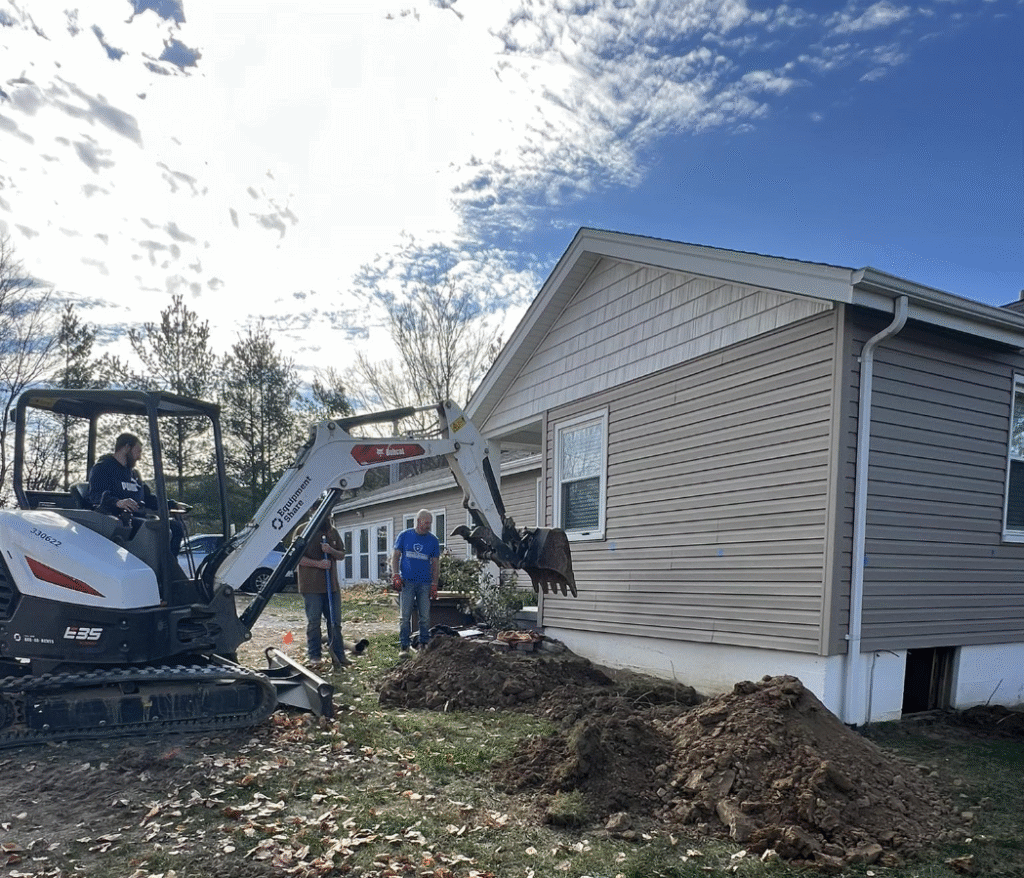
During installation, small sections of soil are excavated near the foundation to access the footing. The piers are then driven or screwed into place, depending on the type being used. Once all piers are installed and anchored in stable soil, hydraulic jacks are used to carefully lift the foundation back toward its original level. The process is precise and controlled.
Most residential piering projects in the St. Louis area are completed within one to three days, depending on the number of piers needed. Landscaping is restored, equipment is removed, and you can continue living in your home throughout the entire process. There is no need to relocate.
Foundation settling is not a problem that fixes itself, and temporary patches only delay the inevitable. Piering addresses the root cause by anchoring your home to stable ground, giving you a lasting solution and real peace of mind.
Contact Home Shield Foundation Repair today to schedule a free foundation inspection.
Steel piers are designed to be a permanent solution. When properly installed, they can support your home for the life of the structure without needing replacement or maintenance.
Piering stabilizes and lifts the foundation, which often closes or reduces cracks caused by settling. Some cosmetic repair to drywall or brick may still be needed after the foundation is back in position.
In most cases, it helps. A professionally repaired foundation with a transferable warranty gives buyers confidence. An unresolved foundation issue, on the other hand, can significantly reduce your home’s value and make it harder to sell.
Cost of piering depends on the number of piers needed, the type of pier, and the extent of the settling. Every home is different. We provide free inspections and transparent quotes so you know exactly what to expect before any work begins.