
Finding a crack around your home can immediately raise questions.
Is that crack across the driveway simply aging concrete? Is the line running through the basement wall something more serious? Does the uneven sidewalk have anything to do with the foundation?
The difficult part is that concrete movement and foundation movement can sometimes look similar, even though they may require very different repairs.
For homeowners throughout St. Louis and the surrounding Missouri communities, changing soil moisture adds another layer to the problem. Clay-rich soil can expand during wet periods and contract when conditions become dry. Those changes can affect exterior concrete slabs as well as the foundation supporting your home.
Knowing what to look for can help you determine whether you are dealing primarily with a concrete problem, a foundation problem, or signs that warrant a professional inspection.
Concrete is strong, but it is not completely rigid or immune to movement.
Driveways, patios, sidewalks, garage floors, and other concrete surfaces can crack for several reasons.
Common causes include:
A crack in an exterior slab, therefore, does not automatically mean your home’s foundation is failing.
The location, direction, width, and surrounding movement all matter.
If the slab itself has started sinking or becoming uneven, learn more about concrete lifting in St. Louis and how an existing slab may be stabilized without complete replacement.
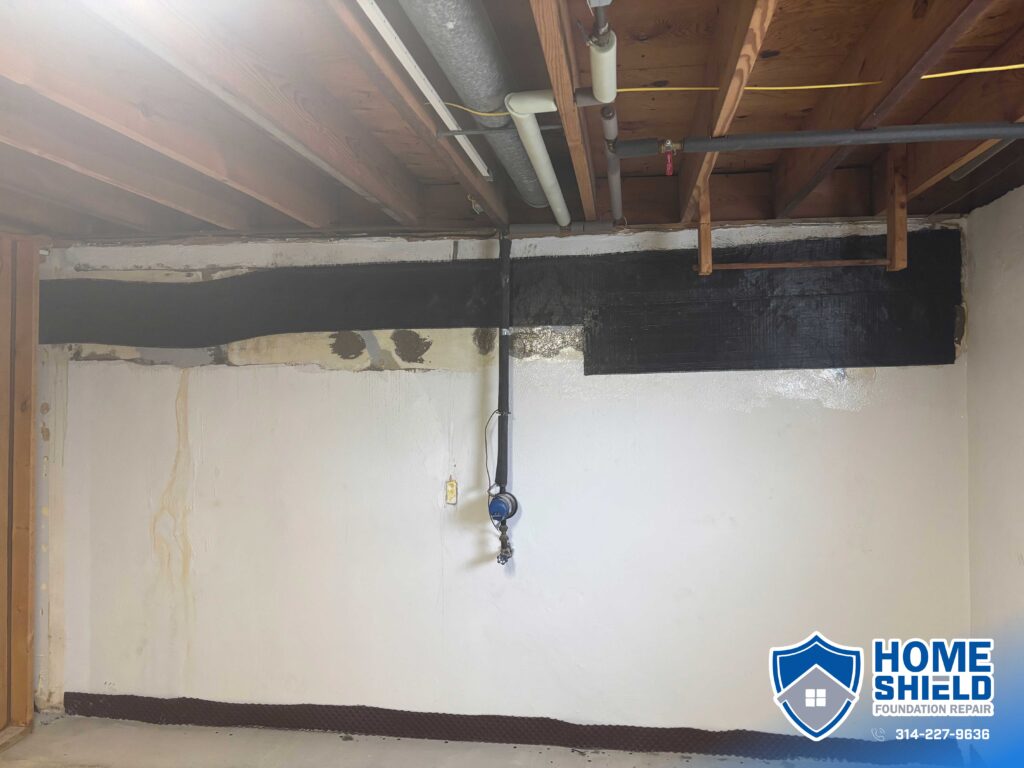
Foundation cracks can develop for some of the same reasons, but the consequences can be more significant because the foundation supports the structure of your home.
Missouri soil conditions can contribute to this movement.
During prolonged rain, moisture causes some clay-rich soils to expand. During hot or dry periods, the soil can shrink and pull away from the foundation.
Repeated cycles of expansion and contraction can create uneven support beneath the home.
Foundation movement may eventually show up as:
If you notice several of these symptoms together, the problem may extend beyond the cracked surface you initially spotted.
You can learn more about how Missouri clay soil affects foundations or explore Home Shield’s foundation repair services.
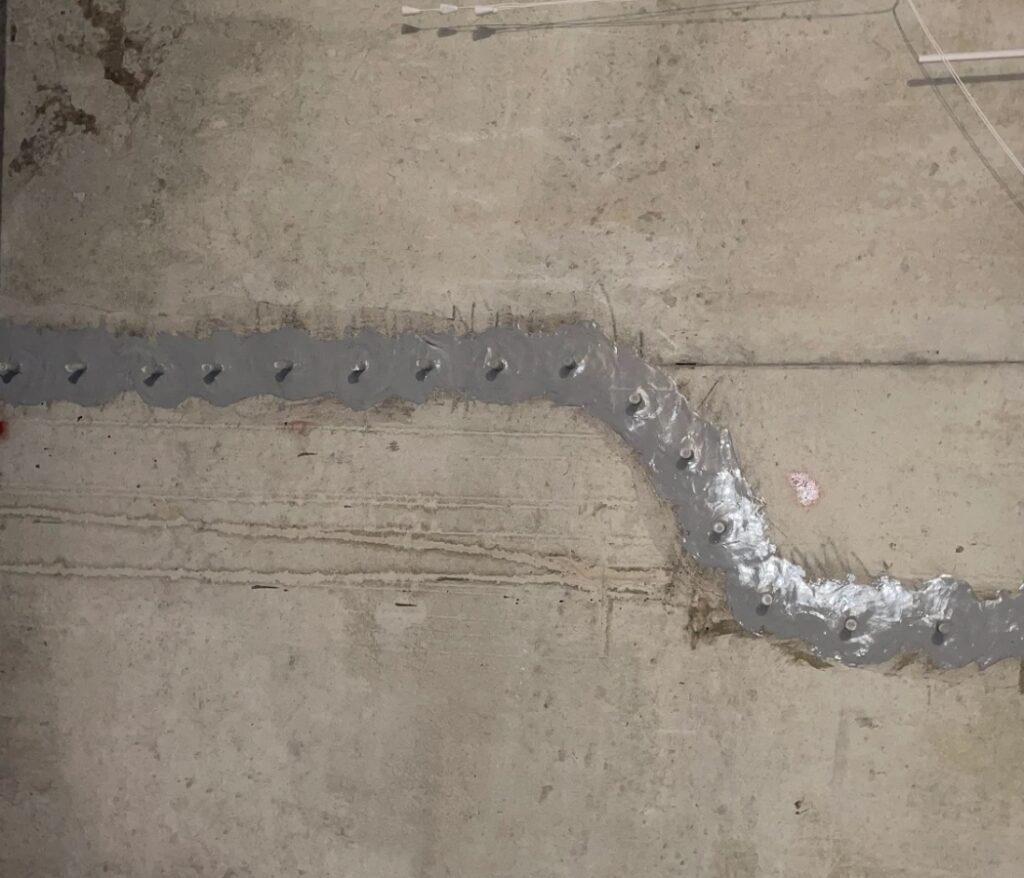
One of the easiest ways to begin evaluating the problem is to ask where the crack is located.
These are generally concrete slab issues rather than direct signs of structural foundation failure.
However, pay attention if the slabs are also:
Settlement beneath exterior concrete can indicate changing soil conditions or poor water management around the property.
Home Shield provides concrete lifting solutions for driveways, sidewalks, patios, and other sunken concrete surfaces.
These deserve closer attention.
A thin vertical crack may sometimes develop from concrete shrinkage, while horizontal cracks, stair-step patterns, or cracks accompanied by wall movement can indicate greater structural stress.
The pattern often tells you more than the mere presence of the crack.
For a closer look at different crack types and what may cause them, read our guide to foundation cracks and Missouri clay soil.
Very thin cracks can develop as concrete cures or experiences minor movement.
If the crack remains narrow and unchanged, it may not indicate a significant structural problem.
That does not mean it should be completely ignored. Monitor it and pay attention to whether moisture starts entering through the opening.
Vertical cracks can develop from concrete shrinkage or settlement.
A small, stable vertical crack may be less concerning than other patterns. A vertical crack that is widening, leaking, or accompanied by other signs of settlement deserves further investigation.
Stair-step cracks follow mortar joints in block or brick.
They are often associated with uneven foundation movement because different sections of the structure may be settling at different rates.
Watch for additional symptoms such as sticking doors, uneven floors, or visible exterior settlement.
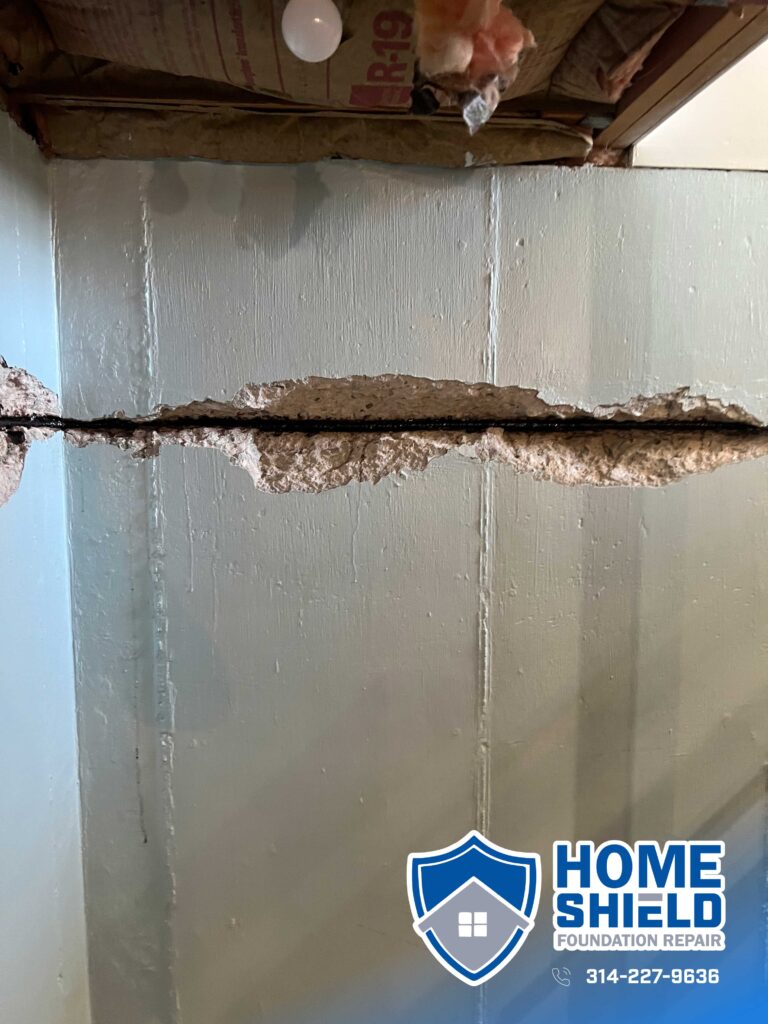
Horizontal basement wall cracks should receive prompt attention.
They can develop when pressure from soil and water pushes inward against the foundation wall.
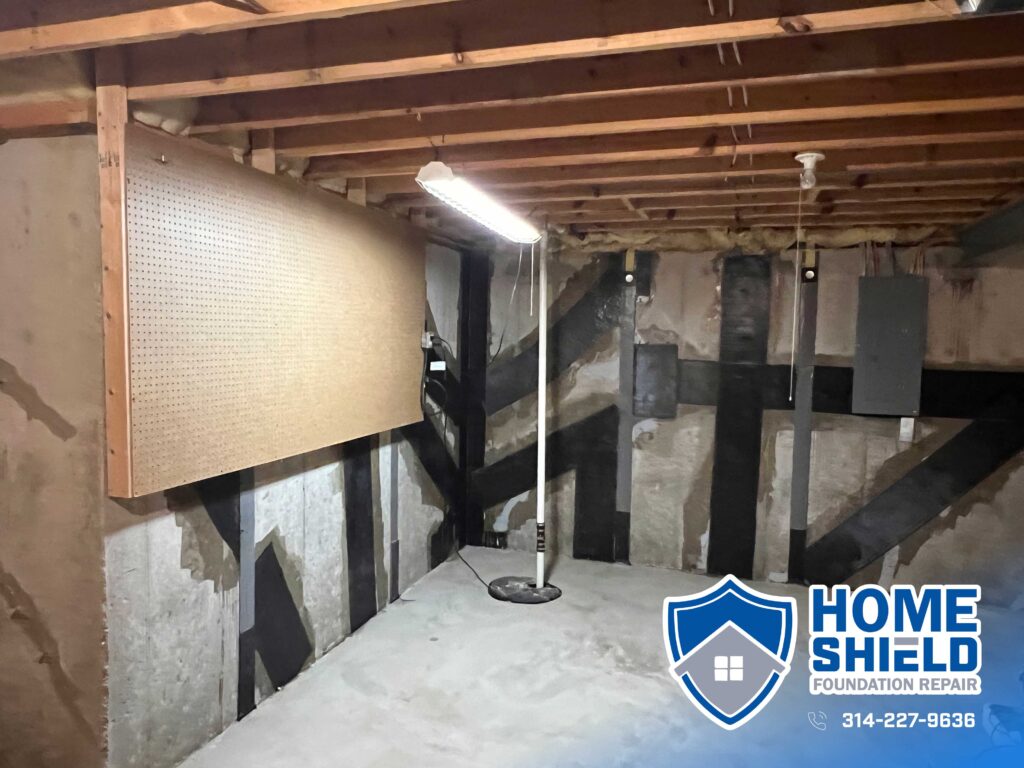
If the wall is also bowing, leaning, or bulging inward, structural reinforcement may be necessary.
Learn more about why basement walls bow in St. Louis homes and the warning signs that may indicate wall movement.
Imagine a driveway slab with a crack running through it, but one side of the slab now sits lower than the other.
In this situation, the underlying issue may be the soil beneath the slab rather than the crack itself.
Concrete lifting may help raise and stabilize the existing slab when conditions are appropriate.
The difference between a settled concrete slab and a structural foundation problem is not always obvious from the crack alone.
That is why Home Shield Foundation Repair looks at the surrounding conditions, including soil movement, drainage, wall movement, concrete settlement, and other symptoms throughout the property.
Whether you are dealing with a sunken driveway, cracked basement wall, uneven concrete, or signs of foundation settlement, identifying the cause is the first step toward choosing the right repair.
Home Shield Foundation Repair serves homeowners throughout the Greater St. Louis region with foundation repair, concrete lifting, basement waterproofing, crawl space repair and encapsulation, and foundation piering solutions.
If a crack around your home has you concerned, schedule a free inspection with Home Shield Foundation Repair and find out what is happening before the problem has a chance to grow.
Not necessarily. Driveways commonly crack because of slab settlement, shrinkage, weather, erosion, or soil movement. However, widespread settlement around the property combined with foundation symptoms may warrant further investigation.
Horizontal cracks, stair-step cracks, widening cracks, and cracks accompanied by visible wall movement are among the patterns homeowners should take seriously. If you are seeing these warning signs, learn more about foundation repair.
It can contribute. If a sunken driveway, sidewalk, or patio begins directing rainwater toward the foundation, additional water may collect around the home and increase the risk of basement moisture.
Sometimes. If the slab remains structurally sound but has settled, concrete lifting may be able to raise and stabilize it without complete replacement.
Photograph the crack and monitor it periodically. Pay attention to changes in width, length, elevation, or surrounding symptoms such as sticking doors or uneven floors.
Yes. Water intrusion means moisture has found a path through the foundation. The crack should be evaluated along with the surrounding drainage and basement waterproofing conditions.
That can be useful. Heavy rainfall may reveal active water intrusion, drainage problems, or moisture-related changes that are less obvious during dry weather.