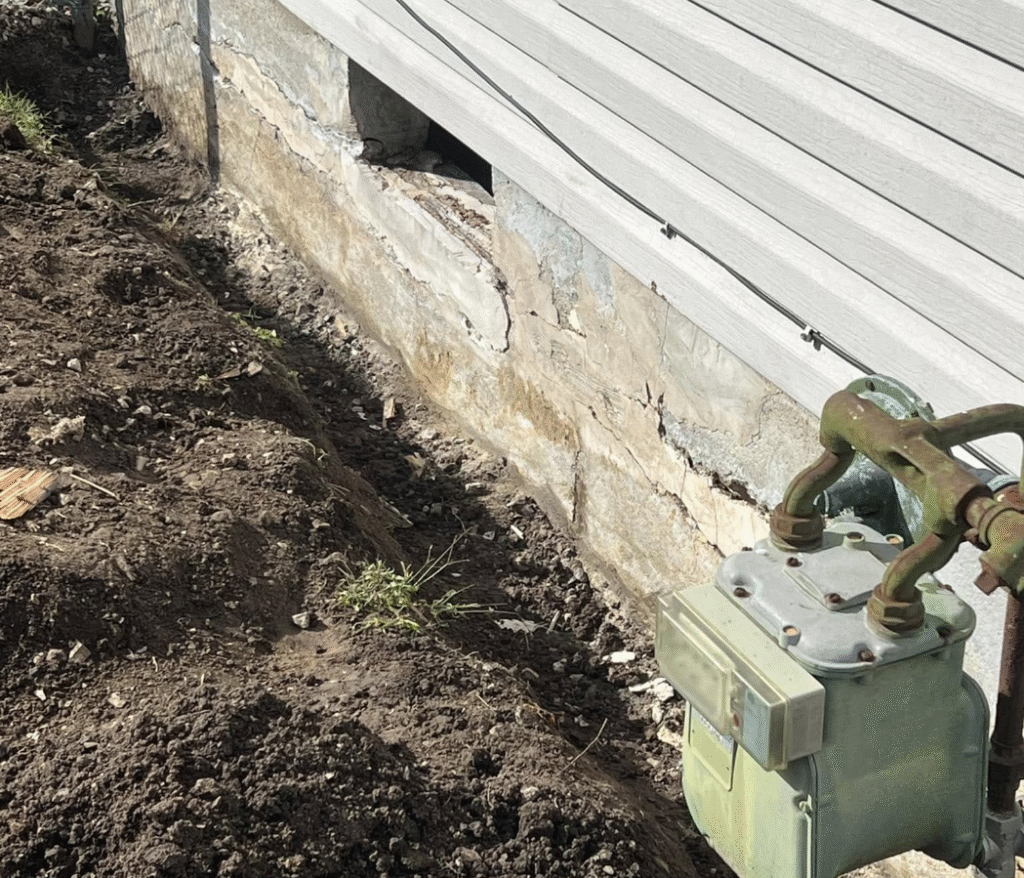
When a foundation begins settling, repairing visible cracks may not address the underlying problem. If unstable soil beneath the home is allowing the structure to move, the foundation may need additional support from deeper, more stable soil.
That is where foundation piering comes in.
Two systems homeowners may hear about are push piers and helical piers. Both can be used to stabilize foundations affected by settlement, but they are installed differently and may be appropriate for different conditions.
For St. Louis area homeowners, understanding the basic differences can make the repair process easier to navigate.
Your foundation relies on the soil beneath it for support. When that soil can no longer provide consistent support, part of the home may begin moving downward.
Missouri’s clay-rich soils can contribute to these conditions. Clay can absorb moisture and expand during wet periods, then shrink as it dries. Poor drainage, erosion, soil conditions, and other factors can also contribute to uneven support beneath a home.
Signs of possible foundation settlement can include:
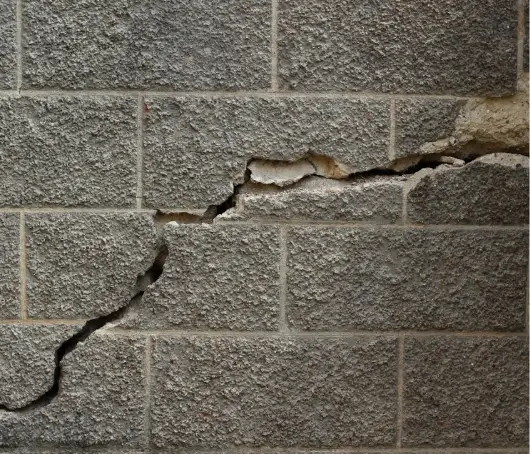
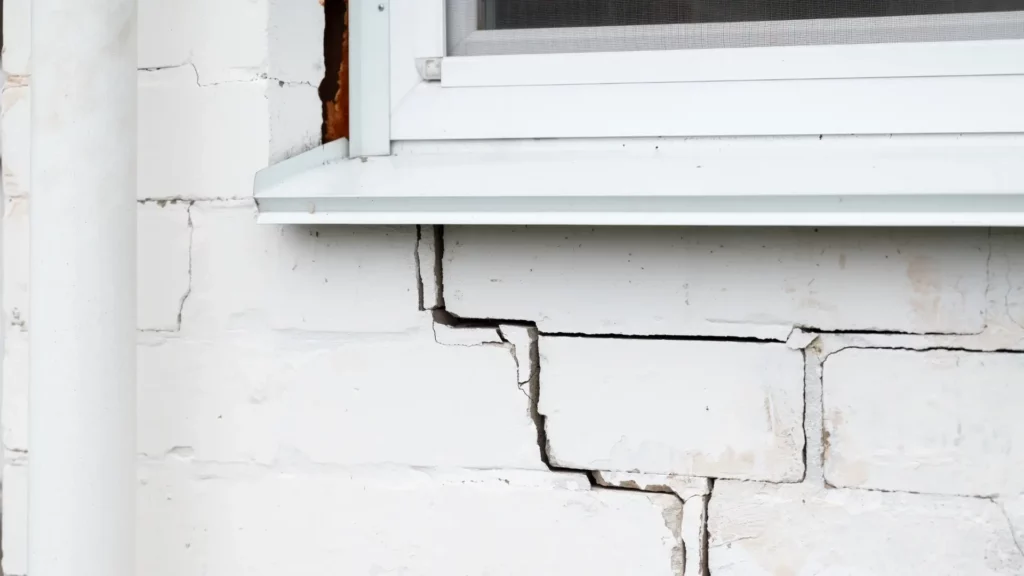
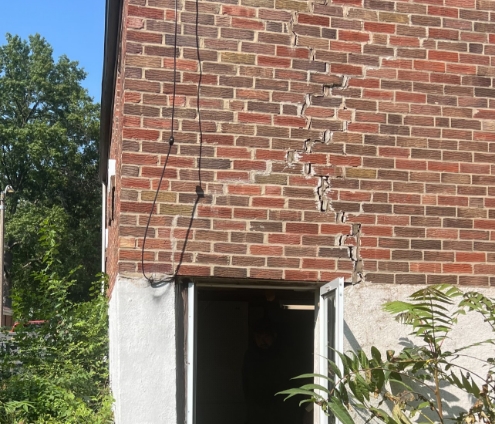
Stair-step cracks in brick or block
Uneven or sloping floors
Doors or windows that begin sticking
Cracks around windows and doors
Gaps between walls, ceilings, or trim
These symptoms do not automatically mean a home needs piers. A foundation inspection is necessary to determine what is moving and why.
Learn more about common signs that you may need foundation repair.
Foundation piering transfers support from unstable soil near the surface to stronger supporting conditions deeper below the home.
Piers are installed beneath affected portions of the foundation and connected to the structure using specialized brackets. Once installed, they help support the foundation independently of the weaker soil that contributed to settlement.
The primary goal is stabilization. Depending on the structure and conditions, some lifting may also be possible.
For a broader introduction, read What Is Piering and How Does It Help a Settling Foundation?.
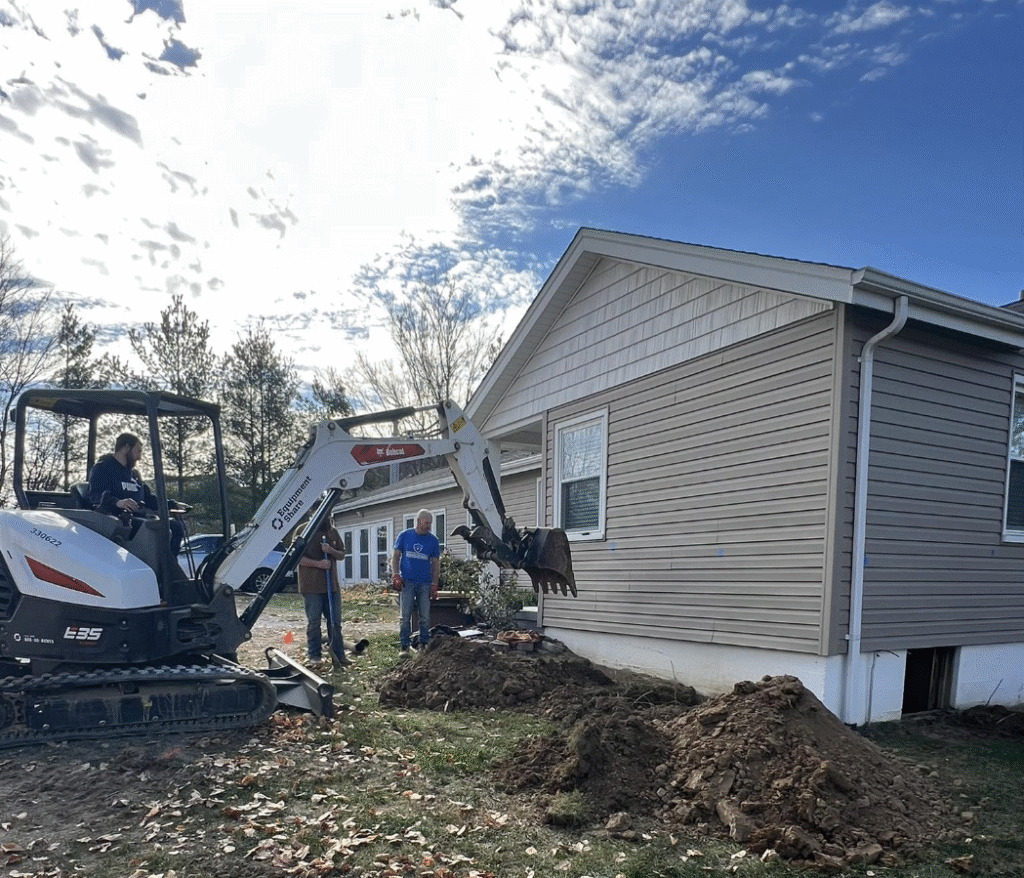
Push piers are steel foundation supports that are hydraulically driven into the ground beneath an existing structure. Sections are advanced until the system reaches the required supporting conditions.
The pier is then connected to the foundation with a bracket.
One defining characteristic of push piers is that the weight of the structure helps provide resistance during installation. This makes them a potential option for existing homes experiencing foundation settlement.
Push piers may be considered when:
An existing structure has experienced settlement
Stable support must be reached below weaker surface soil
The structure and site conditions are appropriate for the installation method
Long-term foundation stabilization is needed
Helical piers are also steel foundation supports, but they are installed differently.
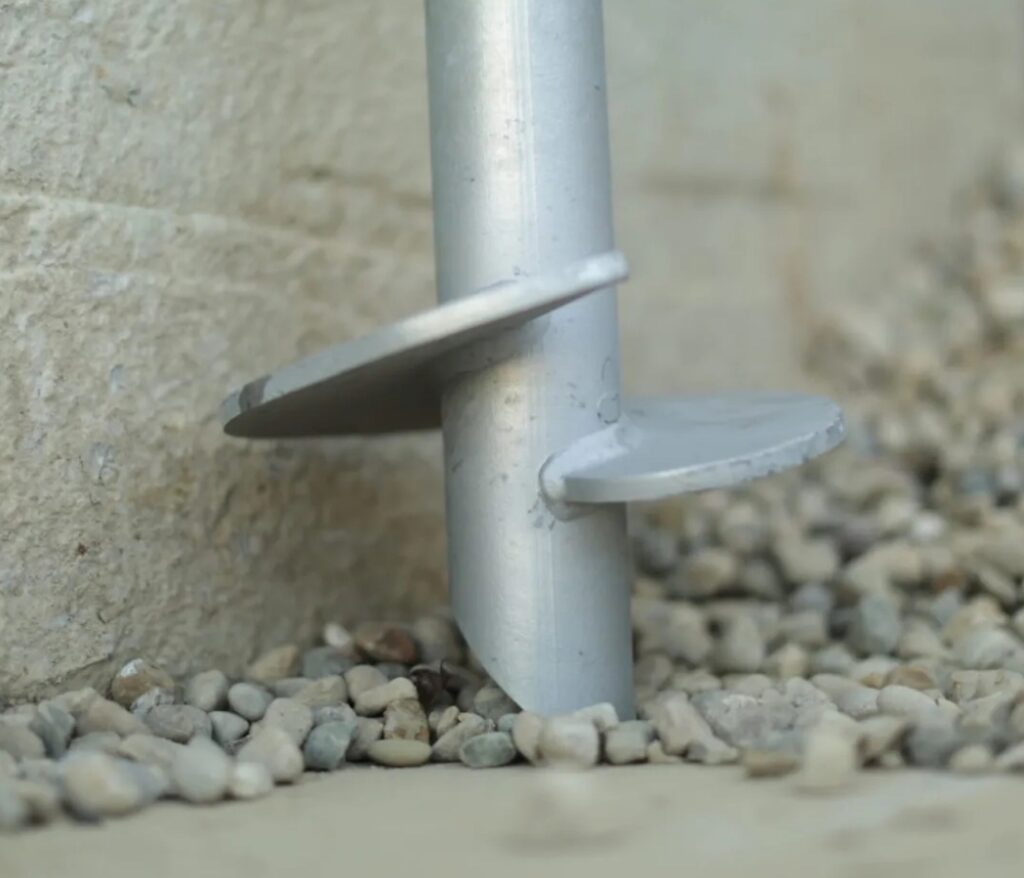
Rather than being hydraulically pushed into the soil, helical piers are mechanically rotated into the ground. Helical plates attached to the shaft help advance the pier and provide support.
Helical piers may be used for existing structures as well as certain lighter structural loads, additions, porches, or new construction applications.
As with push piers, the correct application depends on the structure, soil conditions, access, and repair plan.
The biggest difference is how the systems are installed.
Push piers are hydraulically driven downward using the structure as resistance. Helical piers are mechanically rotated into the ground using helical plates attached to the shaft.
Both systems are intended to provide dependable support when near-surface soil cannot adequately support the structure.
For homeowners, the important question is not which pier sounds stronger. It is which system is appropriate for the specific property.
Factors that can influence that decision include:
Structural load
Foundation type
Soil conditions
Required installation depth
Accessibility
Location and extent of settlement
A professional foundation inspection and repair evaluation can help determine whether piering is necessary and which repair method fits the conditions.
Clay-rich soil is common throughout the region and can change considerably as moisture levels rise and fall.
During wet periods, clay can absorb water and expand. During dry weather, it can lose moisture and shrink. If these changes do not occur evenly around a home, different portions of the foundation may receive different levels of support.
Drainage can also affect soil conditions. Water collecting near the foundation may contribute to saturated soil or erosion, while prolonged dry periods can contribute to shrinkage.
This is why diagnosing the cause of settlement matters. Piering addresses structural support, but other conditions around the property may also need attention.
Learn more about the connection between poor drainage and foundation damage in Missouri.
The exact process depends on the property, but a piering project generally begins with an inspection to identify where settlement has occurred.
A repair plan is then developed based on the affected areas, foundation type, soil conditions, access, and other structural factors.
The foundation is accessed at the planned pier locations. Push piers are driven or helical piers are rotated into the ground until the required supporting conditions are achieved. Brackets then connect the pier system to the foundation.
The system is used to stabilize the affected portion of the structure. When conditions allow, controlled lifting may also be considered.
Learn more about Home Shield’s foundation piering services.
Sometimes, but stabilization and lifting are not the same thing.
The primary purpose of piering is to provide reliable support and help prevent continued settlement. In some situations, a foundation may also be lifted toward its previous position.
How much correction is appropriate depends on the amount and duration of settlement, the condition of the structure, utilities, interior finishes, and how the building responds during the process.
A repair plan should prioritize safe stabilization rather than assuming every home can or should be returned to a perfectly level position.
No. Piering and wall reinforcement address different types of foundation movement.
Piering generally addresses vertical settlement, where a portion of the foundation moves downward.
Wall reinforcement generally addresses lateral movement, such as a basement wall being pushed inward by pressure from the surrounding soil.
Horizontal cracks or bowing basement walls may therefore require a different repair approach than settlement.
If your primary concern is inward wall movement, read more about why basement walls bow in St. Louis.
Push piers and helical piers can both be valuable tools for stabilizing foundations, but choosing between them starts with determining why the home is moving.
Home Shield Foundation Repair evaluates foundation conditions and visible signs of movement before recommending a repair approach.
If you are seeing stair-step cracks, uneven floors, sticking doors, or other possible signs of settlement, schedule a foundation inspection with Home Shield Foundation Repair to determine what is happening beneath your home.
Not necessarily. Both systems can provide foundation support when used in appropriate conditions. The right choice depends on the structure, soil, load, access, and type of settlement.
Stair-step cracks, uneven floors, sticking doors and windows, gaps, and visible settlement can be warning signs. An inspection is needed to determine whether the cause requires piering or another repair.
There is no single depth for every property. Piers are installed until the appropriate supporting conditions are achieved for the system and site.
If cracks are being caused by ongoing settlement, stabilizing the affected foundation can address the underlying movement. Existing cracks may still require separate repair.
Not necessarily. Some cracks may change if lifting occurs, while others remain visible and require additional repair. The important step is addressing the movement causing the damage.