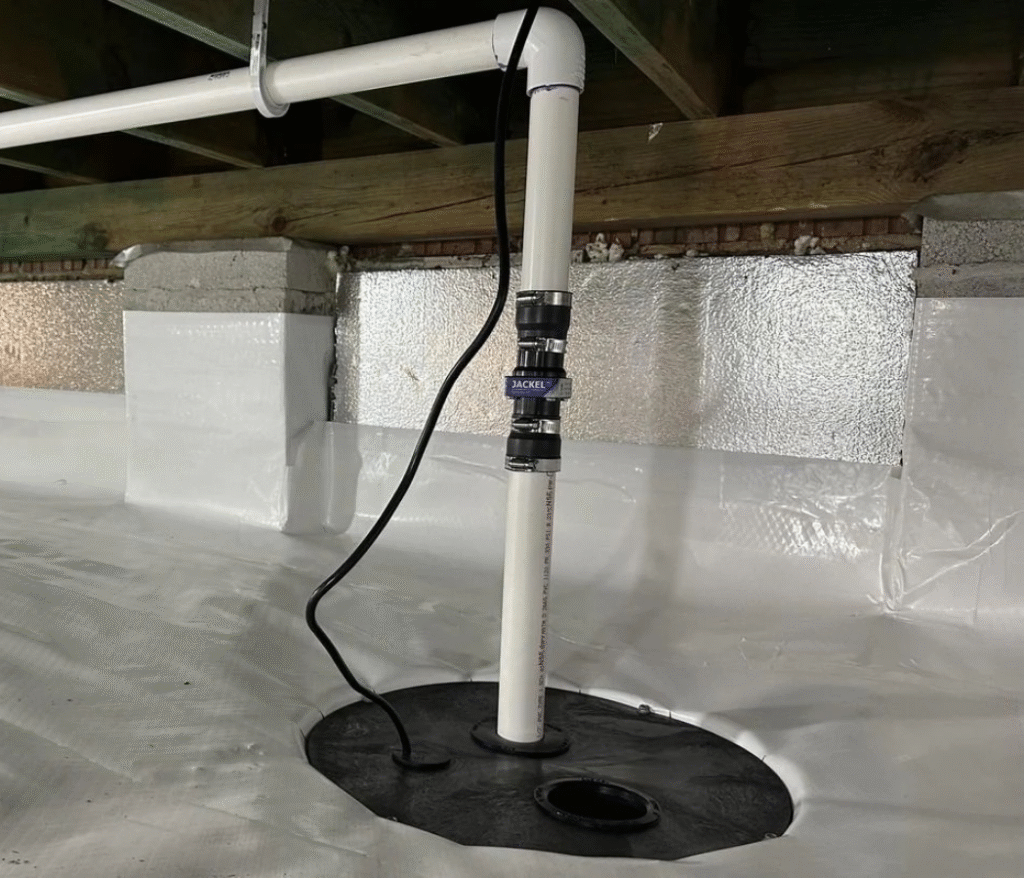
Most homeowners don’t think much about what is happening beneath their home until something goes wrong. But as temperatures start to drop across the St. Louis area, your crawl space becomes more vulnerable than you might expect. The shift from warm, humid summers to cold, wet fall and winter weather puts stress on everything down there, from your vapor barrier to your floor joists.
Taking a few proactive steps now can prevent costly problems later. At Home Shield Foundation Repair, we help Missouri homeowners understand what their crawl space needs and put the right protections in place before winter arrives.
Missouri’s fall weather brings a unique combination of challenges for crawl spaces. After months of summer humidity, the moisture that has built up beneath your home doesn’t just disappear when temperatures cool down. It lingers. And as the air outside gets colder, the temperature difference between your heated living space and the unheated crawl space below creates condensation on pipes, ductwork, and structural wood.
At the same time, fall rains can saturate the clay-heavy soil around your foundation, pushing even more moisture into the crawl space. If that moisture isn’t managed before the first hard freeze, it can lead to frozen pipes, mold growth, and wood rot that you won’t discover until spring.
For older homes throughout Florissant, Ballwin, and South County, many of which still have vented crawl spaces, these seasonal changes hit especially hard.
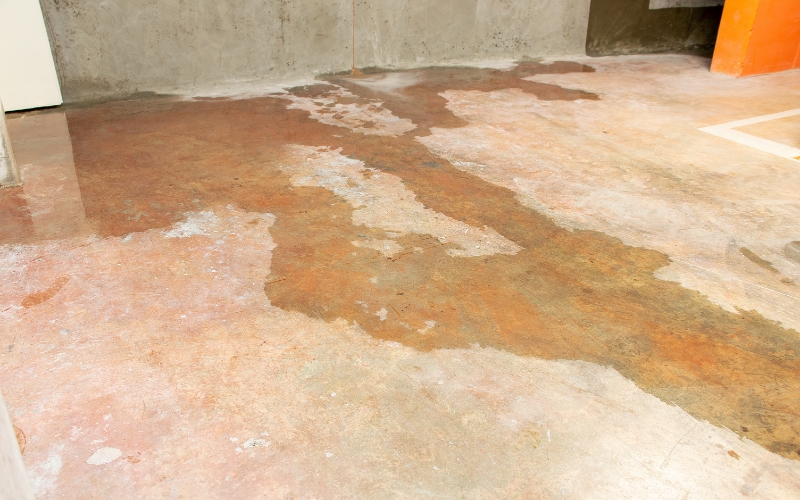
Before cold weather settles in, take note of any of these warning signs. They suggest your crawl space may not be ready for what is coming:
If you notice even one of these signs, getting a professional assessment now gives you time to fix the issue before winter makes it worse.
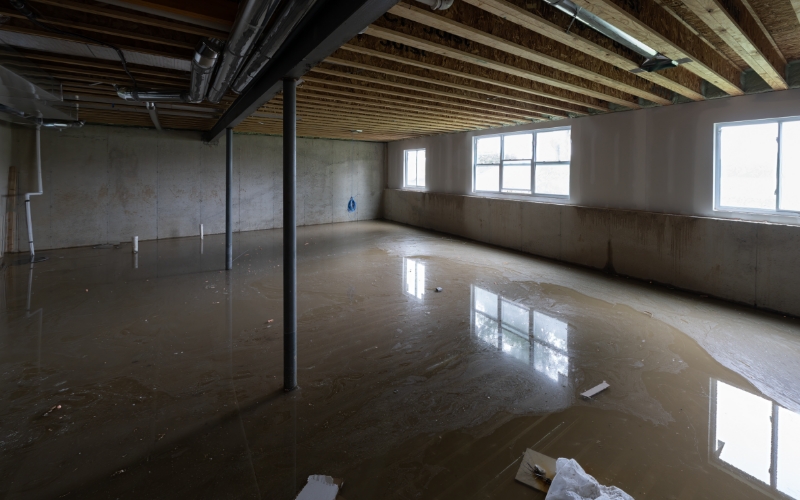
You don’t need to be a contractor to take a few smart steps this fall. Here is where to start:
These basics go a long way, but for more significant issues, professional solutions are the smarter long-term investment.
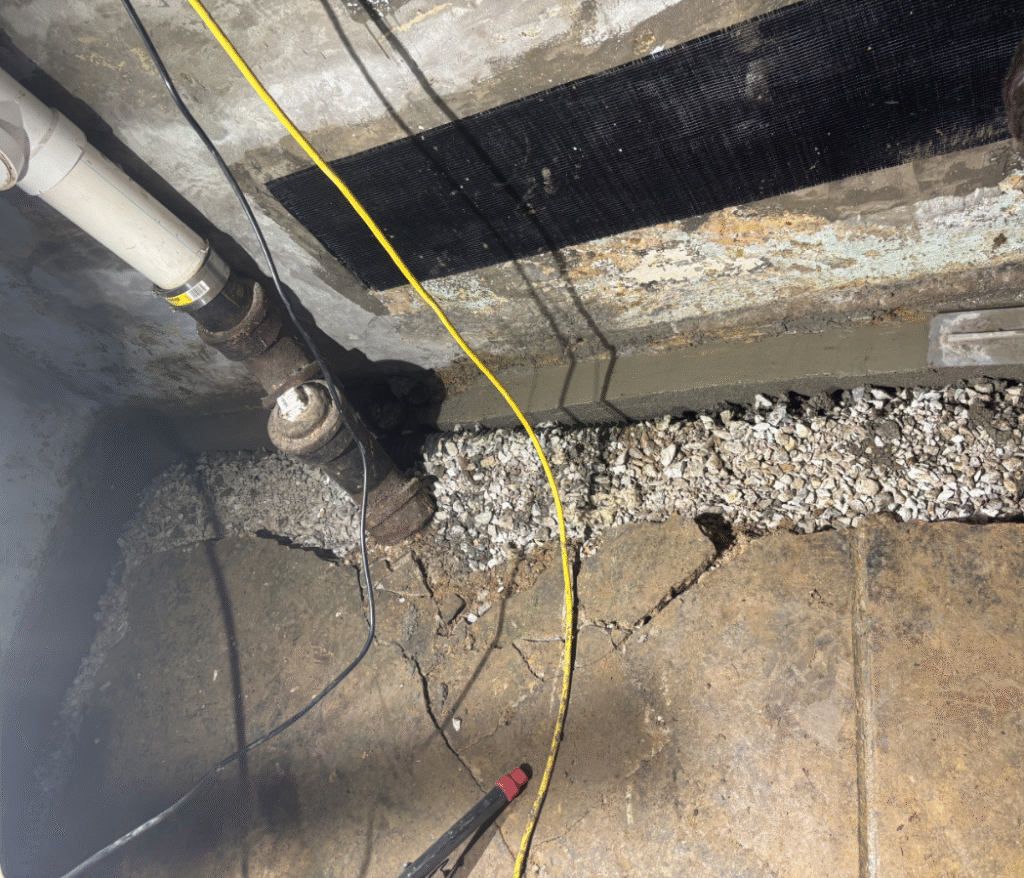
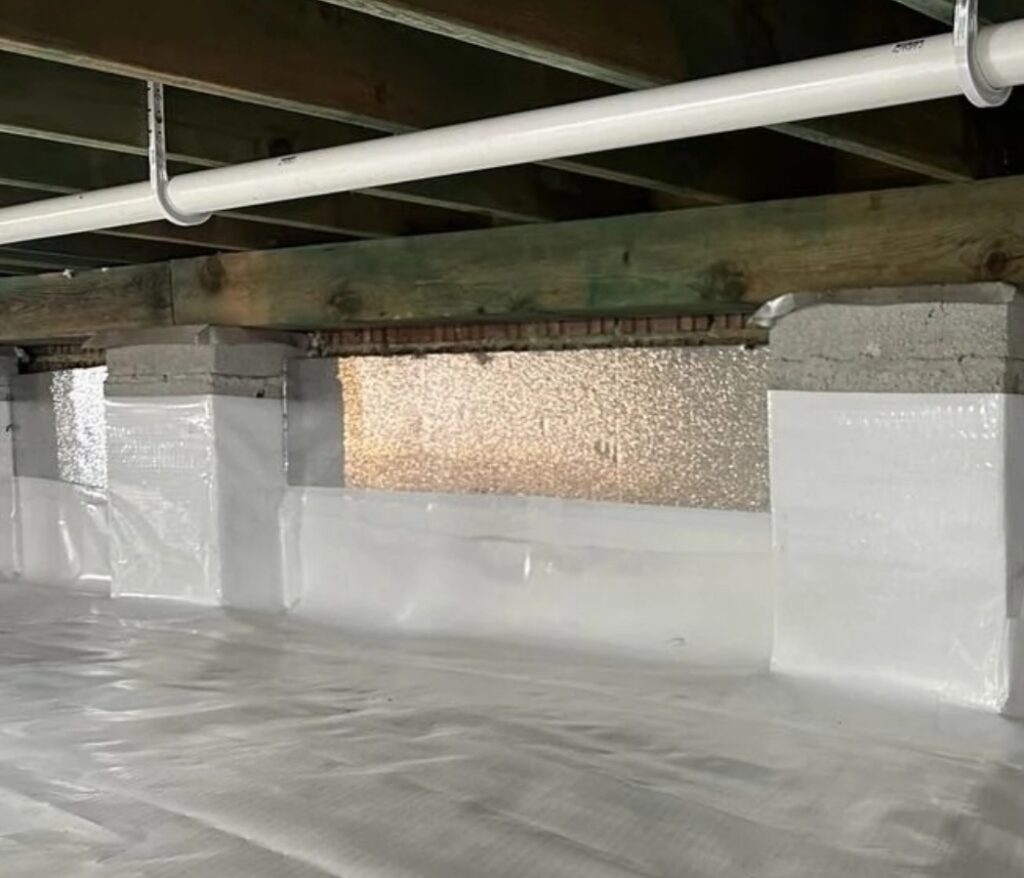
If your crawl space has ongoing moisture problems or has never been properly sealed, fall is the right time to invest in a real fix. Here are the solutions we recommend most for Missouri homes:
The right combination depends on your home’s specific conditions. A professional inspection will help you understand exactly what is needed and what isn’t.
Fall in Missouri moves fast, and once the first freeze hits, your options for crawl space work narrow quickly. The time to act is now, while conditions are dry and contractors can get the job done efficiently. A healthy crawl space means a warmer, drier, and more energy-efficient home all winter long.
Contact Home Shield Foundation Repair today to schedule a free crawl space inspection. We will show you exactly what is going on beneath your home and help you get ahead of winter.
Basic tasks like checking your vapor barrier, insulating pipes, and clearing debris are manageable for most homeowners. But if you are dealing with standing water, mold, or structural concerns, a professional assessment is the safest and most effective route.
Pipes in uninsulated or unsealed crawl spaces can freeze when outdoor temperatures stay at or below 32 degrees for an extended period. In Missouri, that risk is real from late November through March.
For most homes in the St. Louis area, yes. Encapsulation addresses the root cause of moisture problems, protects your home’s structure, improves indoor air quality, and often lowers energy bills. It is a long-term investment that pays for itself.
Most projects, including encapsulation, are completed within one to two days depending on the size of the space and the scope of work.
Absolutely. One of the first things homeowners notice after encapsulation is that their floors feel warmer. Sealing the space keeps cold air out and conditioned air in, making a noticeable difference in comfort.